
What Does a Cross-Border Transfer Really Cost in 2026?
Every business that pays suppliers, contractors, or partners abroad faces the same question: which transfer method is actually cheapest? The answer is rarely obvious, because the price you are quoted at the start is almost never the price you pay at the end.
Bank wires, fintech platforms, and stablecoin transfers each have different fee structures, different exchange rate markups, and different hidden charges. A method that looks cheap on the surface can become expensive once intermediary banks, receiving fees, and poor conversion rates are added up.
This guide compares the three main options for cross-border business payments in 2026, breaks down where the real costs hide, and helps you choose the method that fits your payment size, your timeline, and your budget.
How Bank Wires Price Their Transfers
Bank wires are the traditional route for international payments, and they remain the default for many businesses. They work through the SWIFT network, where your bank sends payment instructions to the receiving bank, often through one or more intermediary banks along the way.
The cost structure has several layers:
- An upfront transfer fee, which can range from $20 to $50 or more
- An exchange rate markup, often two to four percent above the mid-market rate
- Intermediary bank charges, which can be deducted from the amount received
- A receiving bank fee at the destination
- Possible correspondent fees for currency conversion at each step
The exchange rate markup is usually the biggest cost, but it is also the easiest to miss because it is built into the rate you are quoted. By the time all layers are added, a bank wire can cost five percent or more of the transfer amount.
How Fintech Platforms Price Their Transfers
Fintech payment platforms were built to solve exactly these problems. Instead of passing money through a chain of intermediary banks, they move funds through their own networks and settlement systems, which removes several layers of fees.
Typical fintech pricing includes:
- A transparent transfer fee, either flat or a small percentage
- Exchange rates much closer to the mid-market rate
- Fewer or no intermediary charges
- Clear quotes before you confirm the transfer
For larger payments, the difference adds up quickly. On a $50,000 supplier payment, even a two percent saving on the exchange rate is $1,000. That is why businesses that compare total cost often move their regular payments away from traditional wires.
How Stablecoin Transfers Work and What They Cost
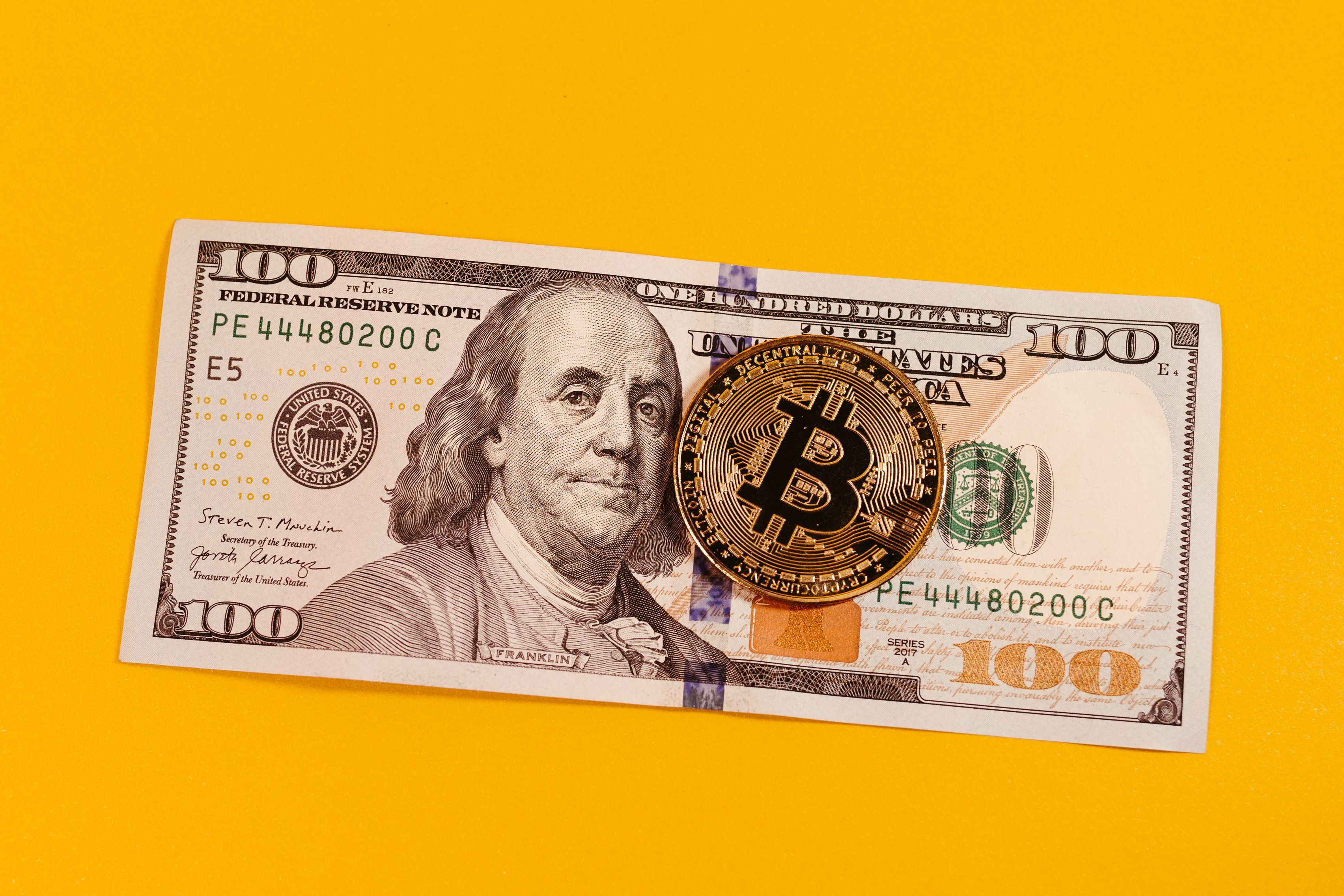
Stablecoins like USDT and USDC have entered the cross-border payment conversation as a lower-cost alternative. A stablecoin transfer works by converting money into a digital token pegged to the dollar, sending it across the blockchain, and converting it back to local currency at the destination.
The headline costs look attractive:
- Blockchain network fees, often well under $5 regardless of the amount
- Exchange rates that track the dollar closely
- No intermediary bank chain
But the real cost depends on what happens at both ends. You pay a fee to buy the stablecoin, you pay network fees to move it, and you pay another fee to convert it into usable local currency at the destination. If you use an exchange or an informal agent for conversion, spreads can be wide. Regulatory uncertainty in some countries also adds risk, and stablecoin prices can fluctuate slightly during the transfer window.
For businesses with the right setup, stablecoins can be genuinely cheap. For everyone else, the conversion costs at both ends can erase the savings.
Comparing the Three Methods Side by Side
Bank wire
- Cost: Highest overall, driven by exchange rate markup and intermediary fees
- Speed: Several days, sometimes longer when documents are required
- Reliability: High, but slow and opaque
- Best for: Very large, non-urgent payments where both banks are well connected
Fintech platform
- Cost: Moderate and transparent, with rates close to the mid-market level
- Speed: Same-day delivery on many corridors, faster than traditional bank transfers
- Reliability: High, with tracking from start to finish
- Best for: Regular business payments of almost any size
Stablecoin
- Cost: Low headline fees, but variable conversion costs at both ends
- Speed: Fast, usually within hours
- Reliability: Depends on your access to conversion at both ends
- Best for: Businesses already comfortable with crypto and with reliable conversion partners
The pattern is consistent: traditional wires are the most expensive for most businesses, stablecoins are the cheapest only if your setup is right, and fintech platforms offer the best balance for most importers, contractors, and service businesses.
Where Hidden Fees Hide in Every Method
No matter which method you choose, the same hidden costs appear in different disguises:
- Exchange rate markup: the single biggest hidden cost in cross-border payments
- Intermediary bank deductions: taken silently from the amount before it arrives
- Receiving bank fees: charged at the destination without warning
- Funding fees: charged when you deposit the money that funds the transfer
- Conversion fees at each end: especially relevant for stablecoin routes
- Cancellation and amendment fees: if details need correcting
A reliable way to compare methods is to ask for the total cost in one number. Request the exact amount the recipient will receive, and compare that figure across methods. That single number captures every fee and markup.
How to Choose the Cheapest Method for Your Payment
Start with the amount you are sending, because that changes the math. For small payments, flat fees dominate and the cheapest method is often the one with the lowest flat fee. For large payments, the exchange rate dominates, and a method with a better rate wins even if its flat fee is higher.
Then consider the corridor. Some routes are well served by fintech platforms with deep liquidity, while others are slow and expensive no matter what you use. Ask your provider about your specific corridor before assuming.
Finally, consider reliability and compliance. The cheapest method is not the cheapest if the payment is delayed, rejected, or held for documentation. For urgent supplier payments, a slightly more expensive method with same-day delivery can be cheaper than a low-fee method that misses your deadline.
If you want a single platform that combines a fair exchange rate, transparent fees, and same-day delivery on many corridors, DapsyPay is worth comparing against your current method. The platform shows you the exact cost before you confirm, so the amount you approve is the amount your supplier receives.
Common Mistakes That Inflate Transfer Costs
- Comparing only the upfront transfer fee and ignoring the exchange rate
- Assuming the quoted rate is close to the real market rate without checking
- Using a personal bank account for business payments, which adds fees and limits
- Splitting one large payment across multiple small transfers, multiplying flat fees
- Choosing a method based on a single transaction instead of the annual volume
- Ignoring the receiving bank's fees, which reduce what the supplier actually gets
Frequently Asked Questions
Conclusion
The cheapest cross-border transfer method in 2026 depends on your payment size, your corridor, and your setup. Traditional bank wires are usually the most expensive once exchange rate markups are counted. Stablecoins can be cheap but only work well with reliable conversion at both ends. Fintech platforms offer the most balanced combination of cost, speed, and transparency for most businesses.
The important habit is to compare total delivered amounts, not headline fees, and to check what your recipient actually receives. Businesses that do this consistently save thousands of naira and dollars every year on supplier payments.
For a deeper look at related topics, read our guide on paying UK university fees from Nigeria, our guide on stretching working capital between shipments, and our advice for freelancers paying international contractors.
When you are ready to compare what your next supplier payment would cost on a modern platform, the platform gives you transparent pricing and same-day delivery on many corridors, so the amount you approve is the amount your supplier receives.
Simplify Your International Payments
Fast, transparent, and reliable cross-border payments for businesses of all sizes.
Visit dapsypay.com