
Quick Answer
Most bank bill pay services cannot send money internationally. They are designed to pay domestic billers, either electronically through a local network or by printing and mailing a paper cheque. If you add a foreign payee, the payment will usually be rejected, delayed, or sent as a cheque that may never clear. For overseas payments, use an international wire or a business payment platform that sends directly to a foreign bank account.
What Bill Pay Is Actually Built For
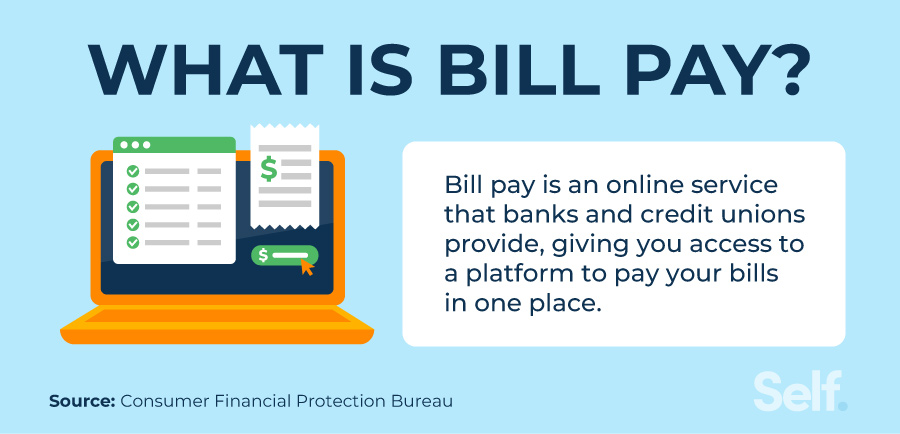
Online bill pay sits inside a bank's current account and exists to replace cheques. You add a payee, enter an amount and a date, and the bank either sends an electronic payment through a domestic clearing network or mails a paper cheque.
In the United States, the electronic leg typically runs over the ACH network, which is a domestic dollar system. In the United Kingdom, the equivalent is the Faster Payments Service and the Direct Debit system. In the euro area, it is SEPA credit transfers and direct debits. Each of these networks is regional by design.
That design choice explains the limits. A domestic bill pay instruction is a message inside a closed network with known participants, fixed formats and local settlement. A payment to a supplier in another country leaves that network entirely and enters the correspondent banking system, where different rules, currencies and compliance checks apply.
Bill pay was never built to cross that boundary, and most banks do not pretend otherwise. The feature simply does not appear, or it appears with a warning that the payee must be domestic.
What Happens When You Add a Foreign Payee
Behaviour varies by bank, but the outcomes fall into four patterns.
The payee is rejected at setup. Many banks validate the address and account format and refuse to add a payee outside the country. The error usually appears immediately.
The payment is queued and then returned. Some systems accept the instruction and fail later, when the payment reaches the clearing stage. The return can take days, and the money may be held while the bank investigates.
The bank converts the instruction into a cheque. A few banks will print and mail a cheque to a foreign address. This is the worst outcome, because international cheque clearing can take weeks, costs are high, and many banks abroad will not accept a foreign cheque at all.
The bank routes it through a partner. Some banks have an arrangement with a remittance provider and will hand the payment over, usually with a markup and a limited set of destination countries.
None of these is a reliable way to pay a supplier, a landlord or a university.
The Consumer Financial Protection Bureau publishes guidance on remittance transfers and the rights that apply when a payment is sent abroad, including error resolution and cancellation windows. Those protections generally apply to international transfers, not to domestic bill pay instructions, which is another sign that the two products are different.
The Three Limits That Matter
Currency. Bill pay operates in the account's currency. It does not quote a foreign exchange rate, and it does not let you fund a payment in euros from a dollar account with a visible conversion.
Reach. The payee must be inside the domestic clearing network. A foreign IBAN or a foreign routing number is outside its scope.
Traceability. Once a bill pay instruction leaves the bank, tracing is limited. With an international payment, you receive a reference and, in many cases, a SWIFT message trail you can follow.
There is a fourth practical limit: timing. A bill pay instruction that becomes a cheque can take weeks to clear, and you have no way to confirm when the recipient bank will credit the funds.
When Bill Pay Can Work for an International Bill
There are narrow cases where bill pay is usable, and they are worth knowing so you do not overcomplicate a simple payment.
The biller has a domestic collection account. Some international universities, utilities and property managers maintain a local account and ask you to pay into it. In that case you are making a domestic payment, even though the organisation is foreign.
The biller accepts card payments. Many international billers accept a card, and your bank's bill pay may support a card-based payment to a domestic processor. The cost is usually a card fee plus a rate margin.
Your bank offers an international bill pay product. A small number of banks bundle a remittance service into online banking. Check the rate, the fee and the delivery promise before relying on it.
The amount is small and the recipient accepts a cheque. Rare, slow and expensive, but technically possible.
Outside those cases, bill pay is the wrong tool.
Bill Pay vs Wire vs Payment Platform
| Feature | Bank bill pay | International wire | Business payment platform |
|---|---|---|---|
| Sends to a foreign bank account | Usually no | Yes | Yes |
| Currency conversion | Not supported | Yes, at the bank's rate | Yes, with a quoted rate |
| Speed | One to five business days domestically | Several business days, route dependent | Fast, route dependent |
| Fee structure | Usually free or low | Fixed fee plus correspondent deductions | Transparent fee plus visible rate |
| Limits | Domestic payee limits | Bank specific, often low for retail | Built for bulk and large amounts |
| Tracing | Limited | SWIFT reference | Reference per payment |
The wire is the traditional international option, and it works. Its weakness is cost and predictability. A fixed fee, an uncertain correspondent deduction and a rate margin that is rarely shown in advance make the final amount hard to plan.
A business payment platform keeps the direct bank delivery of a wire but shows the cost before you approve, supports bulk payments and removes the retail limits that make large supplier payments awkward. That is the gap DapsyPay was built for, and it is why businesses that outgrow bill pay usually move to a platform rather than to a wire.
Setting Up an International Payment Properly
If bill pay cannot do the job, the next step is a payment that can. The setup is straightforward if you gather the details first.
Confirm the beneficiary details. Account name, account number or IBAN, bank name, bank address, and the SWIFT or BIC code. For some countries, a local routing code is also required.
Confirm the currency. Ask the biller which currency their account is denominated in. Paying in the wrong currency causes a conversion at the receiving end and often a returned payment.
Confirm the reference. Invoices, student IDs and tenancy references must be quoted exactly, or the payment is received but not allocated.
Confirm the amount and charges. Decide who pays the transfer fee. The SHA, OUR and BEN options change the amount deducted along the route, and the difference matters when the biller expects a specific total.
Confirm the deadline. Work backwards from the due date and allow for verification and weekends.
Send a test payment first. For a new beneficiary, a small payment confirms the details before a large amount is at risk.
The Nacha rules explain why domestic ACH payments settle quickly and predictably, and why those rules do not extend to a payment to a foreign bank. The rail is different, so the process is different.
Recurring Overseas Bills
Rent, school fees, subscriptions and family support often repeat every month. Recurring payments deserve a standing process rather than a manual scramble.
Keep a beneficiary record with verified details, a fixed reference and a payment calendar. Where the platform supports it, schedule the payment ahead of the due date and keep proof of each transfer.
Avoid setting up a recurring instruction on a card unless the biller requires it. Card payments carry their own fees and fail more often on international merchants. A direct bank payment is cheaper and easier to reconcile.
Common Mistakes
Assuming bill pay works abroad because the form accepts an address. The address field does not mean the payment can reach a foreign bank.
Sending a cheque to an overseas address. Clearing can take weeks, and many banks will not accept it.
Paying in the wrong currency. The biller receives less after conversion, and the shortfall becomes your problem.
Leaving the reference blank. The money arrives but is not applied to your account, which is common with tuition and rent.
Ignoring correspondent deductions. The amount sent is not always the amount received.
Using a retail transfer product for a large payment. Limits and verification requirements appear at the worst moment.
Frequently Asked Questions
Conclusion
Bill pay is a domestic tool, and treating it as an international one causes delays, returned payments and lost money in fees. If the biller is abroad, use a route designed for it: a direct bank payment with a quoted rate, a clear reference and a traceable confirmation.
DapsyPay provides that route on conventional rails such as SEPA and ACH, with fast transfers, no limits and transparent fees, paying directly into the recipient's bank account. It is the practical upgrade when bill pay stops at the border. For related reading, see our guide to choosing the right currency for an overseas payment, our explainer on import export margins, and our guide to paying overseas employees. If you also settle supplier invoices in digital assets, our walkthrough on buying XRP covers the buying and storage side.
Ready to Move Money Faster?
Send business payments abroad on conventional rails with no limits and transparent fees.
Visit dapsypay.com