
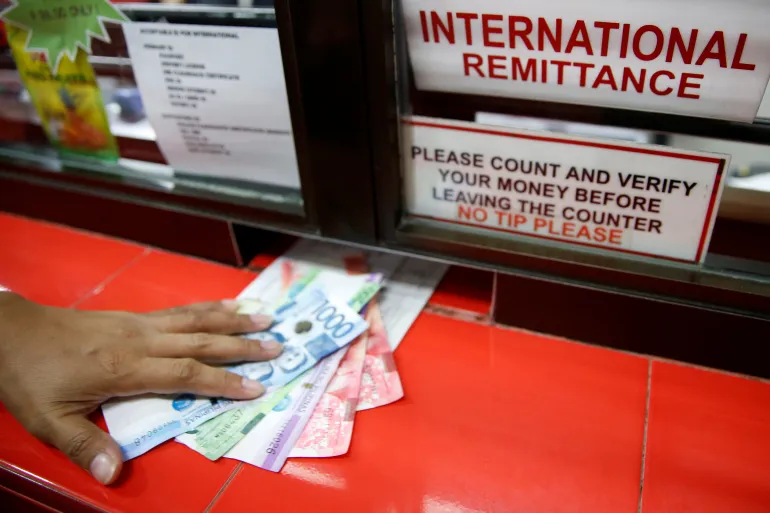
Diaspora Remittance to Nigeria: A Complete Guide for Sending Money Home
What Is Diaspora Remittance to Nigeria?
Diaspora remittance is the money that Nigerians living abroad send back home to family, friends, or their own investments. It is one of the largest sources of foreign currency flowing into the country, and for millions of households it is not a nice extra. It is the money that pays school fees, covers medical bills, funds a family business, or buys building materials for a house project.
The people sending this money live across the UK, the United States, Canada, Europe, and the Gulf states. Most of them send on a regular schedule: monthly, quarterly, or whenever an urgent need comes up. The amounts range from a small top up to cover groceries, all the way up to large transfers for property purchases or business capital.
Understanding how remittance actually works matters because the method you choose decides how much of your money arrives. Two people can send the same amount from the same country and the recipient can receive noticeably different sums, depending on the fees, the exchange rate, and the delivery route. This guide explains the options, the real costs, and the habits that keep your money safe.
Why Remittances Matter So Much to Nigeria
Remittances are a backbone of the Nigerian economy. Flows from the diaspora consistently rank among the top sources of foreign exchange, competing with oil exports and foreign investment. Economists track these flows closely because they influence the value of the naira, the level of foreign reserves, and the spending power of millions of families.
For individual households, the impact is direct and personal. A parent in London paying a child's tuition in Lagos is not thinking about national statistics. They are thinking about whether the money will arrive before the deadline. A nurse in Manchester sending monthly support to aging parents is thinking about whether the naira received will cover the month's needs.
This is why the practical details of remittance matter so much. The exchange rate at the moment of transfer determines how many naira the recipient gets. The transfer fee reduces the total. The delivery time determines whether the money arrives when it is needed. Get all three right and sending money home becomes routine. Get them wrong and every transfer becomes a small crisis.
The Main Ways Remittances Reach Nigeria
There are several routes for sending money from abroad to Nigeria, and each works differently.
Bank transfers through SWIFT
Your bank abroad can send money directly to a Nigerian bank account using the SWIFT network. You provide the recipient's account details and the bank routes the payment, often through intermediary banks. This method is reliable and familiar, but it tends to be the slowest and most expensive. Banks charge a transfer fee, apply a markup on the exchange rate, and intermediary banks can deduct their own charges along the way. The recipient can end up with less than you intended.
Money transfer operators
Companies like Western Union, MoneyGram, and Ria have served the Nigeria corridor for decades. You pay in your local currency at a branch or online, and the recipient collects naira in cash at an agent location or receives it in a bank account. These services are widely available and easy to use, but their exchange rates often carry a significant margin, and fees can be steep for larger amounts.
Online payment platforms
Digital platforms have become the preferred route for many diaspora senders. They show the exchange rate upfront, display the total cost before you confirm, and deliver to Nigerian bank accounts faster than traditional banks. Because they run leaner operations, their fees and FX margins are usually more competitive. If you are comparing how each method stacks up, our guide to international money transfer in Nigeria breaks down how these options work from the receiving side.
Crypto and stablecoins
Some senders use USDT or other stablecoins to move value to Nigeria. The sender buys crypto abroad, and the recipient sells it for naira through an exchange or an agent. This route can be fast, but it comes with price risk, wallet security concerns, and the need to find a trustworthy buyer on the other side. It suits people who are comfortable with crypto, not everyone.
What a Remittance Actually Costs
The headline fee is only part of the story. A complete remittance cost is made up of several layers:
- Transfer fee: the fixed charge for moving the money, either a flat amount or a percentage.
- Exchange rate margin: the difference between the market rate and the rate you are offered. This is often where providers earn the most.
- Intermediary charges: fees deducted by banks that the payment passes through on its way to Nigeria.
- Receiving charges: fees the recipient's bank may apply when the money lands.
A provider can advertise a low fee and still be expensive if the exchange rate margin is wide. The only honest way to compare is the total cost: what you pay in your currency and what the recipient actually receives in naira. Always check both numbers before confirming.
How Long Does a Remittance Take to Arrive
Delivery times vary by method. Bank transfers through SWIFT can take three to five working days, and sometimes longer if an intermediary bank reviews the payment. Money transfer operators are often quicker, with many deliveries completed within a day or two. Online payment platforms are typically the fastest, moving money to Nigerian bank accounts well ahead of traditional bank timings.
Speed matters most when the money is tied to a deadline. School fees, hospital bills, and rent do not wait. A transfer that takes a week is useless if the payment was due yesterday. For urgent payments, prioritize methods known for speed and reliable tracking, so you are not left guessing where the money is.
What You Need Before You Send
Preparation prevents most remittance problems. Before you confirm a transfer, gather:
- The recipient's full name, exactly as it appears on their bank account
- The recipient's bank name and 10 digit NUBAN account number
- The recipient's phone number, used by some providers to confirm delivery
- Your own valid identification, usually a passport or driving licence
- The purpose of the transfer, which many providers require for compliance
Check the account number twice. One wrong digit can send money to the wrong account, and recovering it is slow and stressful. A few extra seconds of checking saves days of frustration.
Common Mistakes That Shrink or Delay Remittances
The same mistakes show up again and again in remittance transfers:
- Wrong account details. One incorrect digit in a NUBAN number and the money goes astray.
- Name mismatches. If the account name does not match the name on the transfer, the bank can reject it.
- Ignoring the exchange rate. Focusing only on the fee while ignoring the FX margin means paying far more than necessary.
- Rushing urgent transfers. Sending in a panic increases the chance of errors and poor rates.
- Falling for scams. Never send money to someone you have not verified, no matter how urgent the story sounds.
Slow, careful checking is cheaper than any transfer fee.
Choosing a Remittance Service You Can Rely On
The best remittance service is the one you can trust month after month. Reliability means knowing the fees before you confirm, seeing a fair exchange rate, and having a clear picture of when the money will land in the recipient's account. It also means a provider that handles problems properly when something goes wrong.
Modern platforms have raised the standard for the Nigeria corridor. DapsyPay is one such service, built around transparent fees and super fast delivery to Nigerian bank accounts. You see the cost upfront, the exchange rate is clear, and the recipient's account is credited quickly, without the week long waiting games that traditional banks are known for. For families sending regularly, that kind of predictability turns a monthly stress point into a five minute routine.
The same thinking applies to the reverse direction. If you live in Nigeria and need to send money to the UK for tuition, rent, or business payments, our guide on sending money from Nigeria to the UK online covers the process step by step. And when you are funding imports or paying overseas suppliers, protecting yourself from payment fraud is just as important, which is why we also put together a guide on spotting fake suppliers before you pay them.
Frequently Asked Questions
Diaspora remittance is money sent by Nigerians living abroad to family, friends, or investments back home. It is one of Nigeria's largest sources of foreign currency.
Online payment platforms are generally the fastest, delivering to Nigerian bank accounts much quicker than traditional bank wires. Bank transfers through SWIFT typically take three to five working days.
It depends on the provider and method. Costs include a transfer fee, an exchange rate margin, and sometimes intermediary or receiving charges. Compare the total delivered amount, not just the headline fee.
You need the recipient's full name, bank name, 10 digit NUBAN account number, and sometimes their phone number. You will also need your own valid identification and, for many providers, the purpose of the transfer.
The most common reasons are exchange rate margins, intermediary bank deductions, and receiving fees. The recipient may receive less than the amount you sent because of charges taken along the way.
Yes, when you use a reputable provider and verify the recipient's details carefully. Avoid sending to people you cannot verify and double check every account number before confirming.
Conclusion
Diaspora remittance to Nigeria is more than a financial transaction. It is how millions of families stay supported, how school fees get paid, and how investments back home stay alive. The method you choose determines how much arrives, how fast it gets there, and how much stress the process causes.
Bank transfers work but cost time and money. Money transfer operators are familiar but often expensive. Online platforms offer the best balance of transparent fees, fair exchange rates, and fast delivery. Whatever route you choose, compare total costs, verify every detail, and pick a provider you can rely on month after month. Sending money home should feel simple, and with the right service, it can be.
Send Money Home with Confidence
Transparent fees, super fast delivery, and reliable transfers to Nigerian bank accounts. See the real cost before you confirm.
Visit dapsypay.com