
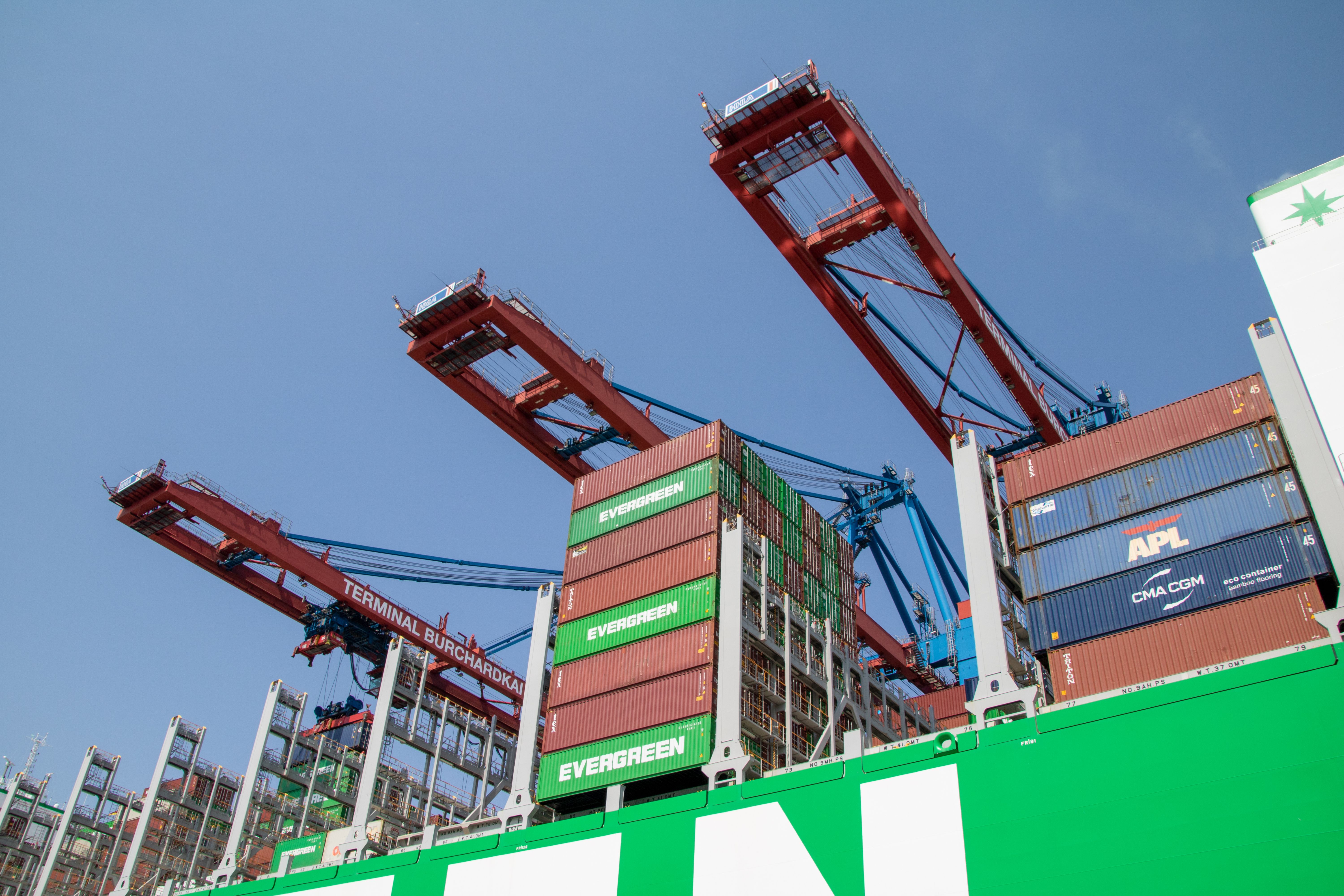
The Real Cost of Importing Heavy Equipment Across Borders
Importing industrial equipment, machinery, or medical devices is not a simple transaction. For businesses that regularly move $50,000 to $500,000 per deal, the payment side is often where the biggest hidden costs live. The price of the equipment is the headline number, but by the time bank fees, unfavorable exchange rates, intermediary charges, and wire delays add up, the real cost can be significantly higher.
Equipment importers operate in a high-stakes environment. A delayed payment can mean losing a shipment slot, missing a production deadline, or paying for extended storage at the port. In some cases, suppliers will simply cancel the deal and move to the next buyer.
This guide breaks down the payment challenges equipment importers face and the practical ways to reduce costs, speed up transactions, and protect margins.
Why International Payments Are Different for Equipment Importers
Not all cross-border payments are the same. The typical challenges an equipment importer deals with are very different from someone sending a small remittance or paying for a subscription service.
The first difference is scale. When you are moving six-figure sums, even a small percentage loss to FX markup becomes a large number. A 2 percent margin on a $200,000 transfer is $4,000. That is real money that could be spent on shipping, insurance, or spare parts.
The second difference is timing. Equipment suppliers often quote prices that are valid for a limited window. If your payment takes five business days to arrive and the exchange rate moves against you in that time, you may end up paying thousands more than expected.
The third is verification. Large payments attract more scrutiny from banks. Compliance checks, documentation requests, and manual reviews can hold up a transfer for days. Meanwhile, the supplier is waiting.
How FX Volatility Affects Equipment Deals
Exchange rate fluctuations are one of the most underestimated risks in equipment importing. A deal that looks profitable at one rate can become marginal or loss-making by the time the payment clears.
Consider this scenario: You agree to buy equipment for $200,000. At the time of negotiation, the exchange rate is favorable. But by the time your bank processes the transfer, the rate has moved by 3 percent. You now owe an extra $6,000 in your local currency, with no change in the equipment price.
Importers who do not lock in rates or use transparent pricing end up absorbing this risk every single transaction. The solution is not to predict the market. It is to use payment methods that offer rate certainty or real-time execution.
The Problem with Traditional Bank Wires for Large Transactions
Bank wires have been the default for international equipment payments for decades. But they were not designed for the speed and transparency that modern businesses need.
Some of the common pain points include:
- Slow processing times. International wires can take 3 to 7 business days, sometimes longer if compliance flags the transaction.
- Intermediary bank fees. Your bank charges one fee. The receiving bank charges another. And several intermediary banks in between may also take a cut, often without warning.
- Poor exchange rates. Banks typically offer rates that are 2 to 4 percent worse than the mid-market rate. On a $300,000 transfer, that is significant.
- Limited visibility. You send the money and hope it arrives. Tracking is minimal, and you often only find out there was a problem when the supplier calls asking where the funds are.
These issues create uncertainty for equipment importers who need to plan cash flow and maintain supplier relationships.
Supplier Expectations in Equipment Importing
Suppliers of heavy equipment and industrial machinery tend to have less patience than consumer goods sellers. They work on tighter margins and larger order quantities. They expect payments to arrive on time, in full, and without deductions.
If a payment arrives late or short due to bank fees, the supplier may:
- Delay shipment, affecting your project timeline
- Pass on storage or demurrage costs
- Demand prepayment on future orders
- Move to a different buyer who can pay reliably
This makes payment reliability a competitive advantage. Importers who can settle transactions quickly and predictably are more likely to get preferential pricing and faster service from suppliers.
Choosing the Right Payment Method for Equipment Imports
There are several ways to pay international suppliers. Each has trade-offs, and the best choice depends on the size of the deal, the relationship with the supplier, and how urgently the payment needs to arrive.
Letter of Credit (LC): Common in large equipment deals. An LC provides security for both buyer and seller. The bank guarantees payment once conditions are met. However, LCs are expensive, paperwork-heavy, and slow. They are best for very large or first-time transactions where trust is low.
Bank Wire Transfers: Still widely used but declining in popularity for large payments. The main advantage is familiarity. The disadvantages are cost, speed, and lack of transparency.
Fintech Payment Platforms: Modern cross-border payment solutions have become the preferred option for many equipment importers. They offer better exchange rates, faster settlement, and real-time tracking. Platforms like DapsyPay specialize in high-value international payments and provide features that traditional banks do not, such as transparent pricing and dedicated support for large transactions.
What to Look for in a Payment Partner
When evaluating payment options for equipment importing, consider these factors:
- Transparent fees. No hidden intermediary charges. You should know exactly what the transfer will cost before you send it.
- Competitive exchange rates. Look for rates close to the mid-market rate. Even half a percent matters at this scale.
- Speed. Same-day or next-day settlement is ideal. The longer the payment takes, the more exposure you have to rate shifts.
- Reliability. The platform should handle large transactions consistently without holds, delays, or compliance bottlenecks.
- Dedicated support. When you are moving hundreds of thousands of dollars, you need a human to contact if something goes wrong.
How Modern Platforms Improve Equipment Payment Flows
The shift from traditional banking to fintech payment solutions has transformed how equipment importers operate. Instead of waiting days for wires to clear and hoping the rate holds, importers can now initiate payments and have funds arrive within hours.
Transparent pricing means no surprises. The rate you see is the rate you get. There are no intermediary deductions, no last-minute fees, no shortfalls that force you to send a second payment to cover the difference.
For recurring imports, some platforms allow you to set up payment flows that execute automatically when predefined conditions are met. This reduces manual work and ensures suppliers are paid on schedule.
Common Mistakes Equipment Importers Make with Payments
Even experienced importers can fall into these traps:
- Not comparing exchange rates. Assuming your bank gives you the best rate just because you have a relationship there. Always compare.
- Ignoring intermediary fees. Your bank may charge a flat wire fee, but intermediary banks along the route can add their own charges. Ask about the full chain.
- Waiting until the last minute. Giving yourself only one or two days before a payment deadline leaves no room for delays.
- Using personal accounts for business payments. This can trigger compliance flags and result in holds or frozen funds.
- Not locking in rates. If your supplier gives you a quote valid for 30 days, consider locking in the exchange rate to avoid market movement risk.
Frequently Asked Questions
Conclusion
Equipment importing involves large sums, tight timelines, and high expectations from suppliers. The payment method you choose directly affects your margins, your cash flow, and your relationships.
By moving away from traditional bank wires and using modern cross-border payment solutions, equipment importers can reduce costs, speed up transactions, and eliminate the uncertainty that comes with hidden fees and delayed settlement. Platforms like DapsyPay are designed specifically for businesses that need to move large amounts across borders reliably.
When every percentage point and every day matters, having the right payment infrastructure is not just convenient. It is a competitive advantage.
Streamline Your Equipment Import Payments
Fast, transparent, and reliable cross-border payments for equipment importers. No hidden fees, no delays.
Visit dapsypay.com