
The Real Cost of Importing Fashion Inventory from Turkey and China
Nigerian fashion importers operate in a fast moving industry where trends change quickly and timing is everything. The most successful importers know that sourcing quality inventory at competitive prices requires strong supplier relationships, efficient logistics, and the ability to move money across borders without delays.
Turkey and China are the two most important sourcing destinations for Nigerian fashion businesses. Turkey offers high quality fabrics, contemporary designs, and fast production cycles. China provides unmatched scale, lower prices, and variety across every category from casual wear to luxury accessories.
But importing from these countries comes with its own set of challenges. Payment delays, currency fluctuations, and slow shipping can turn a profitable season into a cash flow nightmare. This guide covers everything you need to know about sourcing, paying for, and shipping bulk fashion inventory from Turkey and China in 2026.
Why Turkey and China Dominate Fashion Sourcing
Turkey has become the preferred destination for Nigerian fashion importers looking for quality and style. Cities like Istanbul, Bursa, and Izmir are home to thousands of garment manufacturers. Turkish fashion is known for its European influenced designs, high quality fabrics, and relatively fast turnaround times. Many Turkish suppliers can produce and ship orders within 4 to 6 weeks.
China remains the volume king. Guangzhou, Yiwu, and Shenzhen are the major hubs for clothing manufacturing. Chinese suppliers offer the lowest prices per unit, making them ideal for importers who need large quantities at competitive costs. The trade off is that quality control requires more attention, and shipping times from China to Nigeria are typically 5 to 8 weeks by sea.
Each market has its strengths. Many experienced importers maintain relationships with suppliers in both countries, sourcing from Turkey for premium, seasonal collections and from China for basic, high volume items.
How to Find Reliable Fashion Suppliers
Finding trustworthy suppliers is the most important step in fashion importing. Here is where to start.
For Turkish suppliers, visit the Istanbul Textile and Raw Materials Exporters Association website or attend trade fairs like Istanbul Fashion Week and Texhibition. Online platforms like Turkishexporter.net and Istanbul Textile Chamber listings provide directories of verified manufacturers.
For Chinese suppliers, Alibaba, Made in China, and Canton Fair are the primary resources. The Canton Fair, held twice a year in Guangzhou, is the largest trade fair in China and an excellent place to meet manufacturers in person.
When evaluating suppliers, request samples before placing bulk orders. Check the quality of stitching, fabric, and finishing. Ask about minimum order quantities, which can range from 50 to 500 pieces per design depending on the manufacturer.
Also verify payment terms. Most Turkish and Chinese suppliers require a 30 percent to 50 percent deposit before production begins, with the balance due before shipment. This is where having a fast, reliable payment method matters most.
Understanding Bulk Order Pricing and Discount Windows
Fashion suppliers often operate on tight discount windows. A manufacturer may offer a 10 percent to 15 percent discount if you confirm an order and pay within 24 to 48 hours. These short windows are designed to help suppliers manage their own production schedules and cash flow.
For Nigerian importers, capturing these discounts is difficult with traditional payment methods. A bank wire transfer takes 3 to 7 business days. By the time the payment clears, the discount window has long closed.
This is why many importers miss out on thousands of dollars in savings every season. The ability to pay suppliers quickly and reliably is a competitive advantage that directly impacts your bottom line.
Using a modern cross border payment platform like DapsyPay changes this dynamic. DapsyPay processes payments to suppliers in Turkey, China, and other countries faster than traditional bank wires, with transparent exchange rates and no hidden intermediary fees. When your supplier offers a 48 hour discount window, you can take it. Similarly, fashion importers handling spare parts or equipment imports benefit from the same speed advantage, as we discussed in our guide on importing spare parts from the US and Europe.
Shipping and Logistics for Fashion Imports
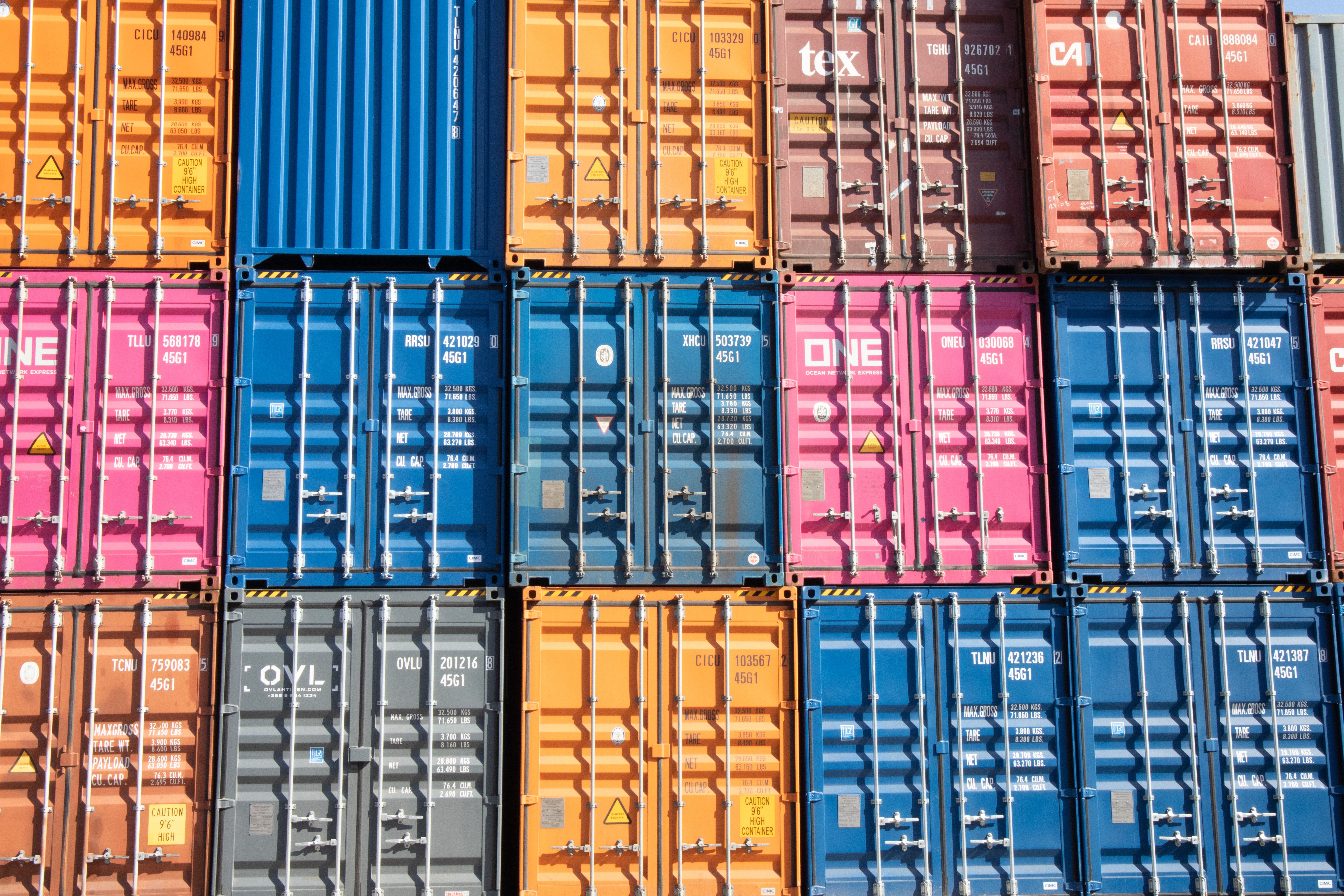
Shipping fashion inventory from Turkey or China to Nigeria typically involves sea freight. A 20 foot container from Istanbul to Lagos costs $2,000 to $3,500. From Guangzhou to Lagos, expect $2,500 to $4,000.
Air freight is an option for high value, time sensitive items like seasonal collections or luxury pieces, but it costs significantly more. Most fashion importers use sea freight for bulk orders and reserve air freight for top up shipments or trending items that need to reach the market quickly.
Customs clearance for textiles and clothing requires careful documentation. You need a Commercial Invoice, Packing List, Bill of Lading, Form M, and sometimes a Certificate of Origin. Import duties on textile products typically range from 10 percent to 20 percent of the invoice value, plus VAT and other charges.
A common challenge with fashion imports is that styles can go out of fashion while the shipment is still at sea. This is why timing is critical. Order seasonal collections at least three months in advance to account for production and shipping time.
Managing Currency Risk in Fashion Importing
Currency fluctuation is one of the biggest risks for Nigerian fashion importers. Between the time you place an order and when you pay the supplier, the naira can move significantly against the dollar, lira, or yuan. This movement directly affects your cost of goods sold.
Some importers try to time the market, waiting for a favourable rate before making payments. This approach is risky because it can also mean missing discount windows or delaying production.
A better strategy is to use payment platforms that offer rate locking or near real time processing. The less time between your order decision and payment execution, the less currency risk you carry.
For a detailed breakdown of how smart payment operations support business growth, see our guide on working capital management for SMEs.
Common Mistakes Fashion Importers Make
Ordering without verifying fabric quality first. What looks good in a photo may not feel good in person. Always request fabric swatches and finished samples.
Ignoring seasonal timing. If you order summer styles in March, they will arrive in Nigeria during rainy season. Plan your order calendar around Nigeria's two main seasons.
Relying too heavily on one supplier. If your only supplier has production delays or quality issues, you have no backup plan. Maintain relationships with at least two or three manufacturers.
Using expensive, slow payment methods that eat into margins. Bank wires, FX agents, and informal transfers all cost more than they should. Evaluate modern alternatives that offer speed and transparency.
Frequently Asked Questions
Conclusion
Importing fashion inventory from Turkey and China offers Nigerian businesses access to world class products at competitive prices. The key to success is finding reliable suppliers, planning your shipping timeline carefully, and using payment methods that let you move fast when opportunities arise.
The importers who thrive are the ones who can say yes to a discount offer without wondering whether their payment will arrive in time. With the right processes in place, you can build a fashion business that competes with the best, both locally and globally.
Simplify Your Fashion Inventory Payments
Fast, transparent cross border payments for fashion importers. Pay Turkish and Chinese suppliers quickly and never miss a discount window again.
Visit dapsypay.com