
How Much Does It Cost to Study Abroad
Studying abroad usually costs between 15,000 and 60,000 US dollars a year in total, combining tuition with living costs. Tuition alone ranges from under 1,000 dollars a year at public universities in Germany to more than 40,000 dollars in the United States, while living costs add roughly 8,000 to 20,000 dollars depending on the city. One off costs such as visa fees, health surcharges, flights, and rental deposits can add several thousand more in the first year, and the way you send the money can quietly add another 2 to 5 percent on top.
What the Total Cost of Studying Abroad Includes
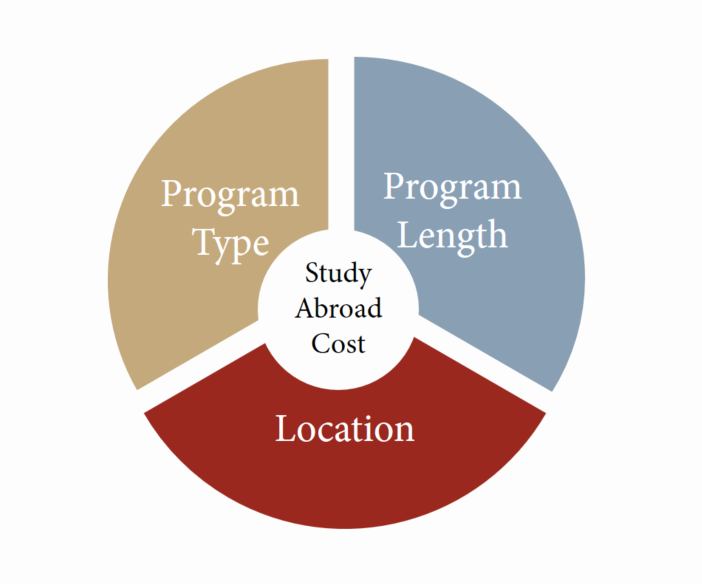
Most students compare tuition fees and stop there. That is the fastest way to arrive with a budget that does not survive the first semester, because tuition is only one of four cost blocks.
- Tuition and academic fees. The headline number, charged per year or per credit.
- Living costs. Accommodation, food, transport, utilities, phone, and study materials.
- One off relocation costs. Visa application, health surcharge, flights, deposit on housing, insurance, and the initial setup of a room.
- Money transfer costs. The fee and the exchange rate margin charged every time funds move from home to the university or to your own account abroad.
The fourth block is the one nobody plans for, yet a family sending three or four payments a year can lose more to exchange rate spreads than they would spend on a return flight.
Tuition Fees by Destination
Tuition is where the gap between destinations is widest. The table below shows typical annual ranges for international students at public universities in 2026.
Germany 0 to 1,500 euros at public universities Small administrative fees, some states charge non EU students France 2,800 to 4,000 euros Public university rates, higher at private schools Canada 20,000 to 45,000 Canadian dollars Varies widely by province and programme United Kingdom 15,000 to 38,000 pounds Classroom courses lower, medicine and lab courses higher Australia 25,000 to 45,000 Australian dollars Postgraduate and science courses sit at the top United States 25,000 to 60,000 US dollars Private universities and STEM programmes highestThe pattern is consistent. Countries that fund universities from public budgets charge international students little or nothing, while systems that treat tuition as a private cost charge close to the full price of delivery.
Living Costs by Country and City
Living costs are less dramatic but harder to avoid, and city choice matters more than country choice.
Large capital city (London, New York, Sydney) 1,400 to 2,200 US dollars Rent dominates the total Mid size city (Manchester, Toronto, Melbourne) 1,000 to 1,500 US dollars Shared housing brings the number down Smaller university town 700 to 1,100 US dollars Cheapest option with good student infrastructureHousing is the single largest line in every budget. University halls are convenient but rarely cheap, shared private housing usually costs less, and a private studio in a capital city can cost more than tuition in a low fee country.
The One Off Costs Students Forget
The first year always costs more than the following years because of costs that appear once.
- Visa application fee. Typically 100 to 500 US dollars depending on the country.
- Immigration health surcharge. The United Kingdom charges this for the full length of study, and it can run into thousands of pounds.
- Flights and excess baggage. One way fares in peak intake season are the most expensive of the year.
- Housing deposit and first month rent. Usually one to two months of rent paid before you arrive.
- Insurance, registration, and orientation fees. Small individually, noticeable together.
- Proof of funds. Many visas require evidence of a set amount sitting in an account before the visa is issued, which means the money must be available and visible, not just earned later.
The UK government publishes the current health surcharge and visa amounts directly, so it is worth checking the official figures rather than relying on a forum post from a previous intake, because a single misread line item can shift a first year budget by thousands. The Institute of International Education tracks how many students move each year and where they go, which is useful neutral context when you are comparing destinations.
How the Payment Method Changes the Total
This is the part of the budget students most often get wrong. The headline tuition figure is fixed, but what actually leaves your account depends on how you send it.
Traditional bank transfers are reliable, but they usually cost more than advertised. A fixed wire fee is only the visible part. The larger cost is the exchange rate margin, plus intermediary bank deductions that can remove a further slice before the university receives the funds. When a payment arrives short, the university simply invoices the difference, and the student pays the spread twice.
Specialist transfer platforms such as Wise reduce the fee and publish their pricing clearly, but many of them cap the amount you can send in one transaction or in a month. When a tuition instalment sits above that cap, the payment has to be split across several days, which creates its own risk near a deadline. Lower fees are only half of the answer when the amount is the part a provider cannot handle.
That combination of cost and limits is where DapsyPay fits. The platform runs on conventional international rails such as SEPA and ACH, so payments move faster than traditional bank transfers without depending on any experimental settlement route. There are no limits on transfer size, which means a full tuition instalment can go out as one clean instruction, and the fee and rate are shown before you confirm. Funds are delivered directly into the university's bank account, so the amount invoiced is the amount that arrives.
A Simple Budget Framework
Three steps keep a study abroad budget honest.
- Fix the hard numbers first. Tuition, health surcharge, visa fee, and the first month of rent are known costs. Write them down before anything else.
- Estimate living costs by city, not by country. Use a mid range figure for the city you have actually chosen, then add 10 percent for the first term.
- Add a transfer cost line. Assume a percentage cost on every international payment you will make, then compare providers against that number rather than against zero.
Students who do this usually find two things. The first year is considerably more expensive than the second, and the cheapest destination on paper is not always the cheapest after living costs and transfer fees are included.
Ways to Reduce the Total
- Apply for scholarships early. Most institutional awards have separate deadlines that fall months before admission decisions.
- Choose a smaller city. The same degree in a mid size city can cost 30 to 40 percent less in living costs.
- Share housing after the first year. Moving out of halls is the single biggest saving available to most students.
- Pay tuition in fewer, larger transfers. Each payment carries its own fee and spread, so consolidating instalments reduces total cost.
- Check whether the university charges a card or platform surcharge. Some add a percentage for certain payment routes.
- Work within your visa rules. Most student visas allow limited part time work, but income should reduce pressure, not fund the core budget.
Common Mistakes to Avoid
- Comparing tuition only and ignoring rent, which is the largest living cost.
- Using last year's exchange rate when planning a payment several months ahead.
- Leaving the transfer to the week of the deadline, when both rates and queues are least forgiving.
- Sending funds to a personal account abroad and then paying the university locally, which adds a second set of fees.
- Forgetting that proof of funds must usually be visible in an account before the visa is issued.
- Assuming a low fee platform is cheap without checking the exchange rate margin.
If you are also weighing what makes international tuition higher in the first place, our guide to why international students pay more breaks down the funding models behind the difference. Students sourcing equipment or supplies for a course project often find our guide to importing spare parts from China useful, and anyone paying a supplier or institution for specialist equipment can read how medical equipment imports work. For a wider look at how different payment routes settle at different speeds, see how different payment methods are used around the world.
Frequently Asked Questions
Conclusion
The real cost of studying abroad is tuition plus living costs plus one off relocation fees plus the cost of moving the money. Most students plan the first three and ignore the fourth, which is exactly where a well organised budget leaks.
Work out the hard numbers first, choose a city rather than just a country, and treat the transfer itself as a line in the budget. Families and students who move tuition and living funds on DapsyPay get a visible rate and fee, no limits that force a payment to be split near a deadline, and direct delivery into the university's bank account, which keeps the budget that was planned and the budget that is paid the same number.
Pay Tuition Without Losing Money on the Transfer
Send a full tuition instalment in one instruction, with the rate and fee shown before you confirm and delivery straight into the university account.
Visit dapsypay.com