
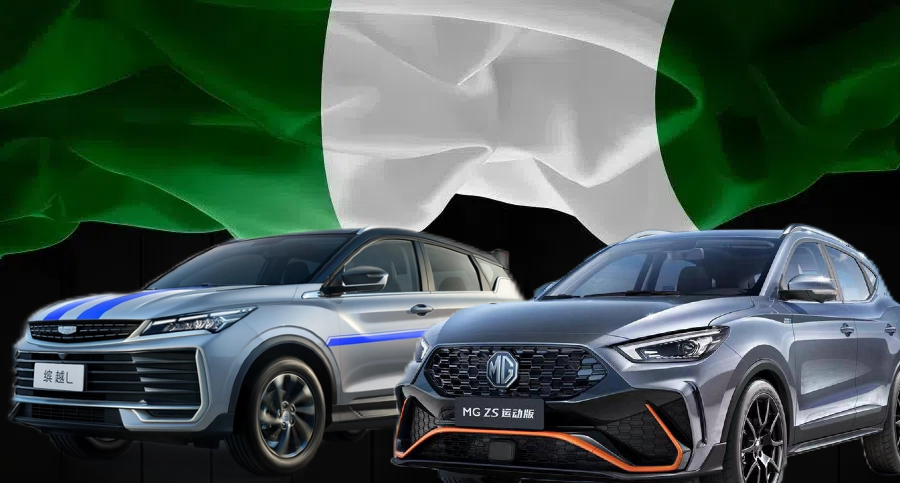
How to Import an Electric Car from China to Nigeria
To import an electric car from China to Nigeria, you need to choose a model from a Chinese manufacturer, confirm its specifications and paperwork, arrange shipping by RoRo or container, pay Nigerian customs duties and taxes, and complete vehicle registration when the car arrives. Popular Chinese EV brands include BYD, Chery, and GWM. Prices for Chinese electric cars typically range from $10,000 to $45,000 depending on the model. Budget for shipping, insurance, and import duties, and use a payment method that protects your deposit when paying the factory or exporter.
Chinese electric vehicles have moved from curiosity to mainstream. China is the world's largest EV market, and its manufacturers now export cars to Africa, the Middle East, and Europe. According to the International Energy Agency, electric car sales continue to grow faster than the overall car market, and affordable Chinese models are a major reason. For Nigerian buyers, the appeal is clear: lower running costs, modern features, and prices that undercut equivalent petrol cars from other markets.
But importing an EV from China is not as simple as buying a car online. You are dealing with a factory or exporter thousands of kilometers away, a different electrical and regulatory environment, shipping timelines measured in weeks, and customs rules that must be handled correctly. This guide walks through the process step by step.
Why Import an Electric Car from China?
The main reasons Nigerian buyers and dealers look to China for EVs are price, range of models, and running costs.
- Price: Chinese EVs are often 20% to 40% cheaper than comparable EVs from Western or Japanese brands, before shipping.
- Model range: China produces everything from small city cars to luxury SUVs, giving buyers options at every budget.
- Running costs: Electricity costs far less than petrol per kilometer, and EVs have fewer moving parts, which means lower maintenance.
- Dealer opportunity: Importers who buy in bulk can supply a growing Nigerian market for affordable electric cars.
The trade-offs are real too: charging infrastructure in Nigeria is still limited, spare parts availability depends on the brand's local presence, and resale value is unproven compared with established petrol cars.
Choosing an Electric Car to Import
Start with a model that suits Nigerian roads and conditions. Ground clearance matters, as does access to service and parts. Models from brands with official distributors in West Africa are safer choices than obscure models from brands with no local support.
Before you commit, verify these details with the seller:
- Battery capacity and range: Confirm the official range in kilometers and the battery warranty. Most Chinese EVs offer 300 to 600 kilometers of range.
- Charging standard: Check whether the car supports the charging plugs and voltages available in Nigeria. Some cars may need adapters or home charger installation.
- Left-hand or right-hand drive: Nigeria drives on the right, so left-hand-drive cars from China are compatible. Confirm the specification before shipping.
- Paperwork: Ask for the certificate of origin, invoice, and any export documents the Nigerian importer will need for customs.
- New or used: New EVs come with warranties but higher cost. Used EVs are cheaper but may have degraded batteries and no warranty.
Understanding the Costs of Importing an EV
Importing an electric car from China involves more than the purchase price. Budget for the full landed cost:
- Purchase price: $10,000 to $45,000 depending on the model and specification.
- Shipping: $1,500 to $4,000 for a container or RoRo shipment from China to Lagos, depending on the car size and port.
- Insurance: Marine insurance typically costs 1% to 3% of the cargo value.
- Customs duty and taxes: Nigerian customs charges import duty, levies, and VAT on imported vehicles. Duty rates on vehicles are set by the Nigeria Customs Service and can change, so confirm current rates before you budget.
- Port charges and clearing: Terminal handling, storage, and clearing agent fees add several hundred dollars.
- Registration: Vehicle registration and number plates cost a separate amount once the car clears customs.
As a rule of thumb, add 25% to 40% on top of the purchase price to cover shipping, duty, clearing, and registration. Dealers who import in bulk reduce per-car costs, which is one reason the trade is attractive to businesses.
How the Import Process Works Step by Step
The process from factory to Nigerian roads follows a clear sequence:
1. Choose the car and agree on the specification, price, and delivery terms with the exporter. 2. Arrange payment. For a new car, expect to pay a deposit of 30% to 50% before production or shipment, with the balance due before the car leaves the factory. 3. Book shipping through a freight forwarder. RoRo (roll-on, roll-off) is cheaper for a single car; a container offers more protection. 4. Prepare the shipping documents: commercial invoice, bill of lading, certificate of origin, and any factory export certificates. 5. When the vessel arrives, appoint a licensed clearing agent to process the car through Nigerian customs and pay the assessed duties. 6. Complete vehicle registration and obtain number plates before driving the car.
Each step has its own timeline. Shipping from China to Lagos typically takes 30 to 45 days, and customs clearance adds several days to a few weeks depending on documentation and port conditions.
Paying the Factory or Exporter Safely
The payment step is where many importers lose money. Sending a large deposit to a factory in China carries risk, and the way you pay affects both your safety and your cost. Bank wires are slow, pass through intermediary banks that deduct fees, and offer limited protection if the deal goes wrong. The exporter may also quote a price that assumes you absorb those charges.
Before paying any supplier, verify the company exists, check its export history, and confirm the bank details match the company name on the contract. Never send money to a personal account when the contract is with a company. For large deposits, consider staging payments tied to milestones: a deposit when the order is confirmed, a further payment when production is complete, and the balance against the bill of lading.
This is where a modern cross-border payment platform changes the experience. Services like DapsyPay let Nigerian importers pay Chinese EV factories and exporters with a clear exchange rate confirmed before you approve, transparent fees, and settlement that is super fast compared with bank wires. You know exactly what the supplier receives, and you can move deposits quickly when a good deal appears. For importers managing several vehicles at once, the same platform handles multiple supplier payments without the usual bank friction. You can also use Dapsymotors to pick cars, instead of going through the auction yourself, just pick an pay in your local currency, an wait for it to be delivered on our doorstep.
If you are still building your understanding of funding these purchases, our comparison of invoice factoring versus invoice financing explains how businesses unlock cash against receivables, and our guide to XE money transfer safety shows how traditional FX services compare for large payments. Importers who prefer stablecoin settlement can learn the ropes in our guide to buying USDT in Nigeria, and entrepreneurs funding their first shipments from freelance income will find useful angles in our guide to receiving payments from abroad.
Common Mistakes When Importing EVs from China
- Skipping supplier verification: Fake exporters collect deposits and disappear. Verify the company and its export records before paying anything.
- Forgetting charging infrastructure: An EV is only useful if you can charge it. Plan home charging or confirm local charging options before you commit.
- Ignoring duty changes: Nigerian customs rates on vehicles have changed in recent years. Confirm the current rate, not last year's rate, before budgeting.
- Buying obscure models: A cheap car from a brand with no local parts network can become expensive when something breaks.
- Paying the full amount upfront: Stage your payments and never release the final balance without shipping documents.
- Underinsuring the shipment: Marine insurance is cheap relative to the car's value. Skip it and one damaged container can wipe out your margin.
Frequently Asked Questions
Conclusion
Importing an electric car from China to Nigeria is a realistic and increasingly popular move in 2026, driven by affordable Chinese models and growing demand for lower running costs. Success depends on the details: choose a model with local support, budget the full landed cost including duty and shipping, verify your supplier, and protect your deposit with smart payment staging. The importers who profit from this trade are the ones who treat the process as a business operation, not a single purchase. Get the car selection right, the paperwork right, and the payment right, and you can bring an EV to Nigeria at a fraction of the price of comparable cars from traditional markets.
Pay Your EV Supplier With Confidence
Transparent fees and super fast settlement when you pay factories and exporters in China.
Visit dapsypay.com