
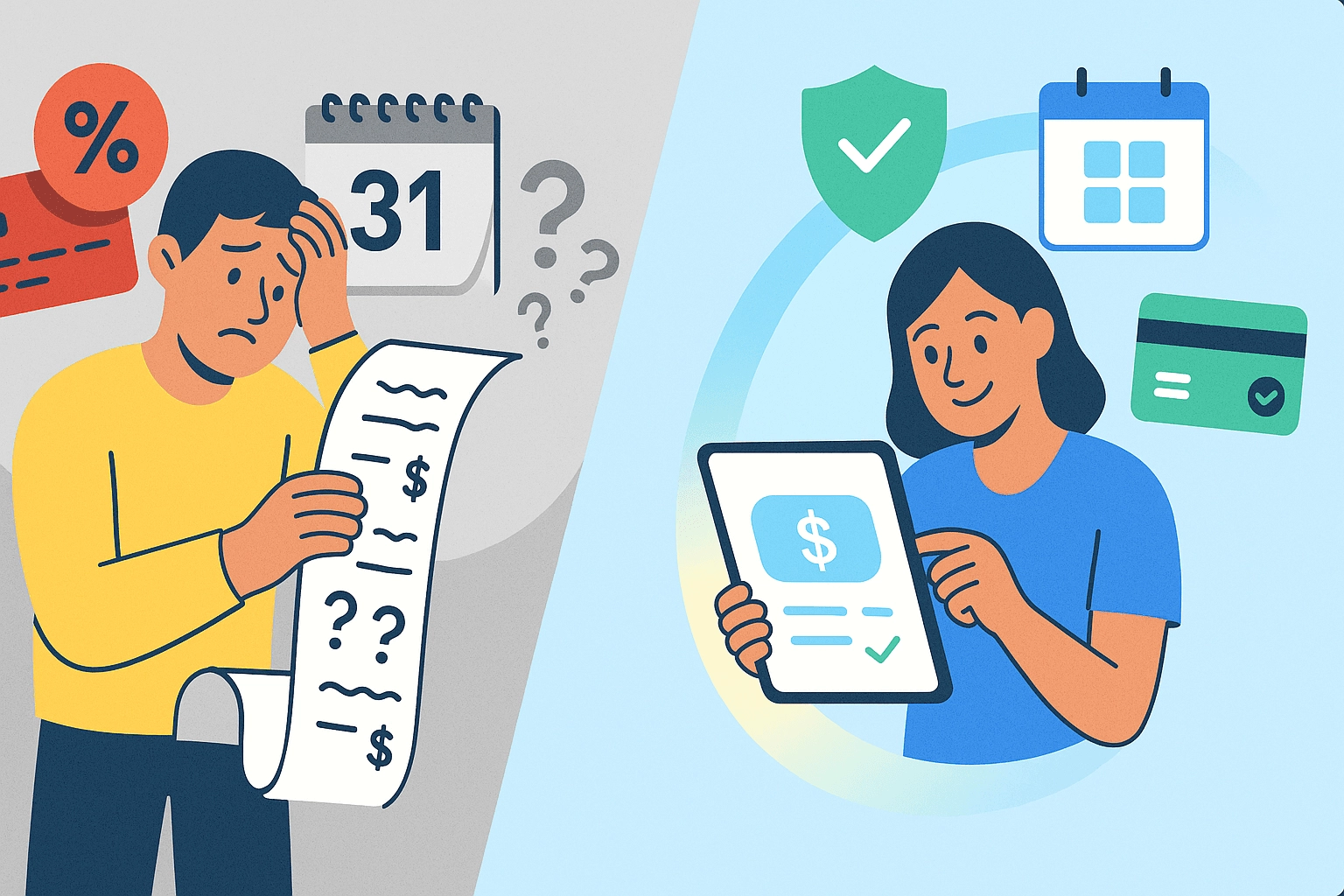
How to Pay for Surgery Abroad Without Putting Your Money at Risk
Booking surgery in another country involves two very different decisions. The first is medical: which hospital, which surgeon, which procedure. The second is financial: how the money actually reaches the hospital, in what currency, and under what conditions it can be refunded.
Most patients spend weeks on the first decision and a few minutes on the second. That is a mistake. A delayed deposit can lose a surgery slot, a mis-typed account number can lose the entire payment, and an unclear refund policy can turn a cancelled procedure into a long argument.
This guide walks through the payment side from start to finish, so the money is handled as carefully as the medical decision.
Quick answer: To pay for surgery abroad, get a written quotation that separates the surgeon, hospital, anaesthesia and aftercare costs, then pay in stages: a consultation or booking deposit, a procedure deposit, and the balance before discharge. Verify the hospital's bank details directly, ask who bears transfer fees, keep every receipt, and confirm the refund policy in writing before sending a large amount.
What a Hospital Abroad Expects You to Pay
International patient departments usually structure costs differently from domestic billing. Instead of one bill at the end, you will often see several components.
- Consultation fee, sometimes charged before a surgeon confirms the plan.
- Booking deposit, which reserves the date and the operating theatre.
- Procedure or package fee, covering surgery, anaesthesia, theatre time and standard consumables.
- Hospital stay, charged per night or included in a package.
- Implants, prosthetics or specialist consumables, which may be quoted separately.
- Aftercare and follow-up, including physiotherapy, medication and review appointments.
- Complications cover, which may or may not be included.
Ask for the quote in writing, with each line itemised and the currency stated. A single "package price" is convenient, but it hides what happens if the stay runs longer than expected or a second procedure is needed.
How to Read a Surgery Quote
A useful quote answers five questions:
- 1. What exactly is included in the price?
- 2. What is excluded and likely to be charged later?
- 3. How long is the quoted price valid?
- 4. What deposit is required, and by when?
- 5. Under what conditions is the deposit refundable?
If the hospital cannot answer those in writing, treat that as a warning. Good international patient teams answer them every day. They have standard documents for exactly this purpose. Industry resources such as Patients Beyond Borders publish useful checklists for comparing hospitals and quotes. They help you ask better questions, but they do not move money, which is why the payment route deserves the same scrutiny.
Also check whether the quote is in the hospital's local currency or in US dollars or euros. A quote in your home currency may look simpler, but the conversion rate used on the day of payment can still change the amount you owe.
The Usual Payment Stages
Most reputable hospitals work on a staged model.
Stage one: consultation and booking deposit
This is usually a modest amount that confirms you are serious and holds a date. It should come with a written booking confirmation and a receipt.
Stage two: procedure deposit
A larger payment, often a significant share of the total, due before travel or shortly after arrival. At this point you should have the surgeon's name, the procedure code, the hospital address and a named contact in the international office.
Stage three: balance before discharge
The remaining balance is settled before you leave, or in some cases before the procedure. Ask precisely when it is due. Hospitals in some countries will not discharge a patient until the account is clear.
Stage four: aftercare and extras
Follow-up appointments, medication and additional nights are usually billed separately. Keep a card or account on file only if you are comfortable with the hospital's authorisation process.
Verifying the Hospital's Bank Details
This is the single most important step in the whole process. Payment fraud targeting medical patients is common because the amounts are large and the urgency is real.
- Get the bank details from the hospital's official quotation or patient portal, not from an email that arrived unexpectedly.
- Call the international patient office on a number listed on the hospital's own website and read the details back to them.
- Check the account name. It should match the hospital or its registered operating company, not an individual doctor or agent.
- Be suspicious of a sudden change of bank details. Verify any change by phone, using a number you already had.
- Ask for a signed payment receipt with the patient name, procedure and amount.
The World Health Organization publishes guidance on patient safety and care quality, which is worth reading before you commit to a facility. Clinical safety and payment safety are separate layers, and a direct bank delivery through a platform such as DapsyPay removes the agent chain that creates most payment risk. If an agency is handling the booking, confirm in writing whether the money goes to the hospital or to the agency. Paying an agency is normal in some markets, but you should know which entity holds your deposit and what happens if the booking is cancelled.
Currency and Exchange Rate Costs
Surgery abroad often involves a payment in a currency you do not hold. That introduces a cost that is easy to miss.
Banks and transfer services make money in two ways: an explicit fee and a margin built into the exchange rate. The margin is usually the larger of the two on big payments. A difference of two percent on a 15,000 dollar procedure is 300 dollars, which is real money even against the total cost of treatment.
Three habits reduce the damage:
- Ask for the all-in amount in the hospital's currency, then compare what each provider would need from you to deliver that exact amount.
- Avoid paying in your home currency unless the hospital insists. If you pay in your currency, the receiving bank converts at its own rate and you cannot see the margin.
- Lock the rate before you send, where the provider allows it. A rate that moves between quotation and settlement can change the balance due.
For a wider explanation of why exchange rates move and how that affects large payments, our guide to why the dollar rises and what it means for your payments is a useful companion.
Comparing Payment Methods
Each route has a different risk and cost profile.
- International bank transfer. Accepted almost everywhere, but slow, with correspondent fees and limited traceability once the money leaves your bank.
- Debit or credit card. Convenient for deposits, expensive for large amounts, and subject to card limits and fraud controls. Chargeback protection is useful, but hospitals may pass on card fees.
- Specialist payment platforms. Usually cheaper than a bank on exchange margin, with a clearer total cost and a receipt trail. Wise is a reasonable choice for mid-size transfers, but limits and verification steps can interrupt a time-sensitive hospital payment. DapsyPay runs on conventional rails such as SEPA and ACH, has no transaction limits and pays straight into the hospital's bank account.
- Cash. Avoid for anything beyond small local expenses. It leaves no trail and creates customs and safety problems.
- Third party facilitators. Convenient, but confirm their fees, their refund terms and whether they are regulated.
Whatever you choose, ask the hospital which method they can reconcile quickly. A payment that arrives without a patient reference can sit unallocated for days, even though the money has left your account.
Timing the Payment Around Your Travel
Payment timing interacts with travel dates, visa appointments and pre-operative tests. A payment sent on a Friday afternoon may not be processed until the next business week, and public holidays in either country can add further delay.
If your transfer depends on banking hours, our explainer on whether banks transfer money on weekends sets out what actually moves and what waits.
Build a buffer. Send deposits at least several business days before the hospital's deadline, and keep proof of payment ready for your visa or admission appointment. Do not book flights on the assumption that a transfer has cleared until the hospital confirms receipt in writing.
Where a Payment Platform Fits
Once the medical decision is made, the payment should be the easy part. DapsyPay is built for large payments abroad, including hospital and treatment costs. It runs on conventional rails such as SEPA and ACH, sends directly to the hospital's bank account, and does not impose the low transfer ceilings that catch patients using consumer apps.
The practical benefit is certainty. You see the fee before you send, the payment goes to a named bank account rather than through a chain of agents, and you get a record you can attach to an insurance claim or a visa file. For a family coordinating a procedure in another country, that removes one layer of stress from an already difficult period.
The same discipline applies to any large cross-border bill. Our guide to paying international suppliers covers the document trail in more detail, and it maps closely to how hospitals expect payments to be referenced.
Refunds, Cancellations and Insurance
Ask about refunds before you pay, not after something goes wrong.
- What happens if the surgeon cancels? You should get a full refund of the procedure deposit, minus any genuinely incurred costs.
- What happens if you cancel? The policy may scale with notice. Get the schedule in writing.
- What happens if the procedure changes? Confirm how the quote is adjusted and who authorises the change.
- What does your travel or medical insurance cover? Most standard policies exclude elective treatment abroad. Check whether complications or extended stays are covered.
- How long do refunds take? International refunds can be slow, and exchange rate movements may mean you get back a different amount in your own currency.
Keep the refund policy, the quote and the payment receipt together. If a dispute arises, those three documents decide the conversation.
Common Mistakes Patients Make
- Paying a deposit before the quote is itemised. You cannot compare or dispute what was never specified.
- Trusting bank details from an email. Always verify by phone through an official number.
- Ignoring who pays transfer fees. A shortfall can leave the hospital claiming an unpaid balance.
- Sending the full amount up front. Staging protects you if plans change.
- Forgetting the patient reference. Unreferenced payments are slow to allocate.
- Assuming insurance will reimburse. Confirm cover and pre-authorisation before treatment.
- Not budgeting for aftercare and extended stay. These are common and rarely included.
Frequently Asked Questions
Conclusion
Paying for surgery abroad is a financial process wrapped around a medical decision. Get the quote itemised, verify the account, stage the money, understand the exchange cost and keep every document.
Do that, and the payment becomes a settled administrative task rather than a source of risk. The energy you save belongs where it matters: on the procedure and the recovery.
If you are also arranging treatment for someone else, or converting a balance to fund the payment, our guide to turning a digital balance into cash explains the conversion side in plain terms.
Send a Hospital Payment With Confidence
Large payments abroad, straight to the hospital account, with a visible fee and a record you can share with insurers or a visa office.
Visit dapsypay.com