
Quick Answer
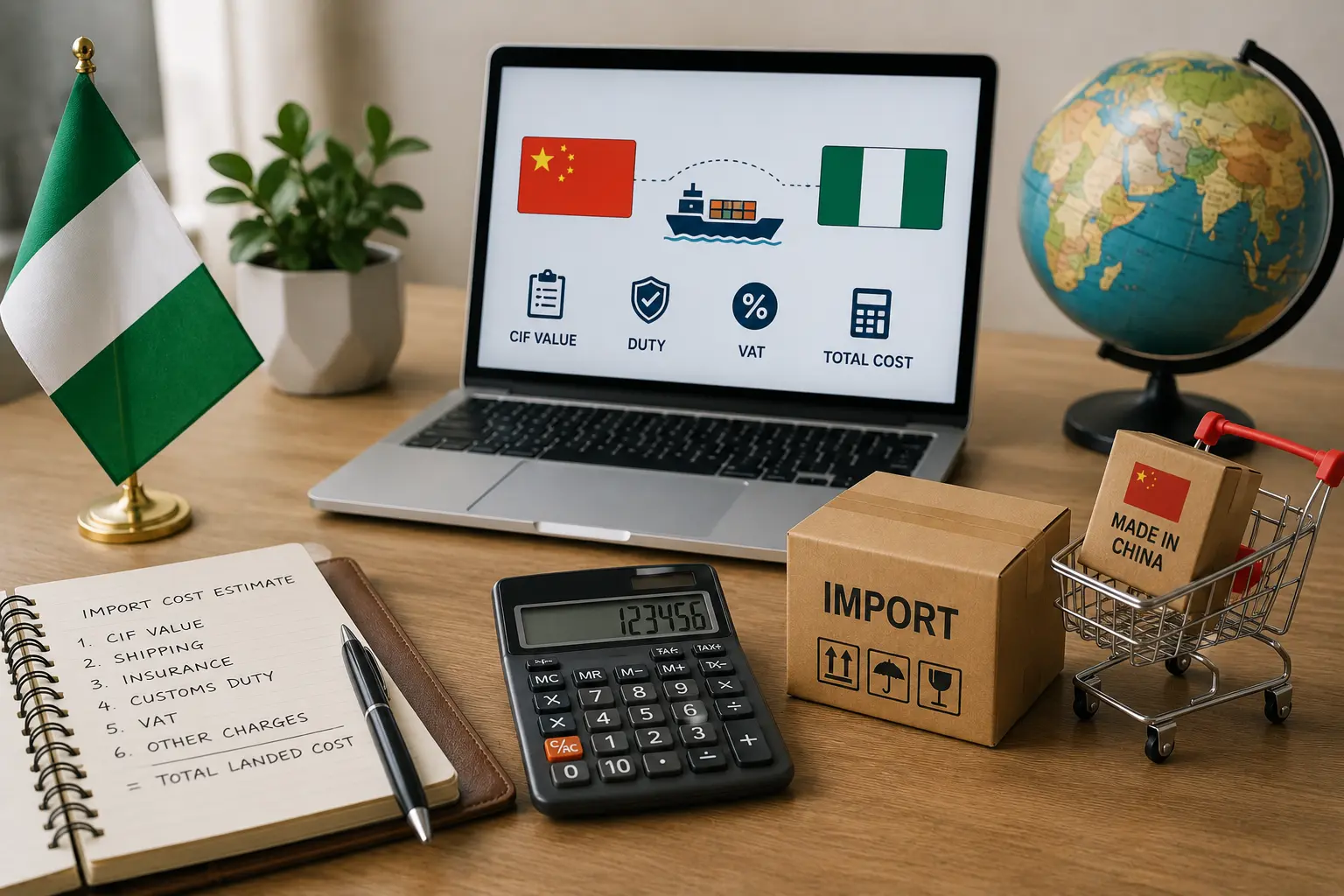
Paying freight forwarders and customs charges means settling several separate bills: freight and haulage, import duty and VAT, terminal and clearing charges, and sometimes storage or demurrage. You pay the forwarder directly and pay duty through the customs authority or your clearing agent. The safest approach is to confirm every charge in writing, pay toward the official account named on the invoice, and use a payment rail that reaches the destination bank fast and without hidden intermediary deductions so your cargo is not held while a transfer is still in transit.
What Freight Forwarders and Customs Charges Actually Cover
Importing looks expensive the moment a shipment lands, and most of that shock comes from costs people did not plan for. A freight forwarder does not simply move a box from one country to another. The forwarder arranges the whole journey: booking space with a carrier, handling export paperwork, coordinating the arrival port, and acting as the link between you and the customs authority.
Understanding what you are paying for turns a confusing invoice into a list you can check line by line. Most import bills break into four families:
- Freight charges: the cost of moving the goods by sea, air, or road, plus any fuel and security surcharges the carrier adds.
- Origin and destination charges: terminal handling at both ends, documentation fees, and the forwarder's own service fee.
- Customs charges: import duty, value added tax, and any levies calculated on the declared value of the goods.
- Contingency charges: storage, demurrage, and detention fees that build up when cargo sits longer than the free time allowed.
Each family goes to a different party, and that is the part importers underestimate. Freight and service fees usually go to the forwarder. Duty and tax go to the customs authority. Port and terminal charges go to the terminal operator or the shipping line. When you assume one payment covers everything, you end up chasing three invoices while your container quietly accrues a daily charge.
Why Payment Timing Decides Whether Your Cargo Moves
Customs authorities release goods when the duty is paid, not when you promise to pay it. Terminals release goods when their charges are cleared. That means the clock on storage and demurrage starts the moment your container is discharged, and every extra day is money that never comes back.
The frustrating part is that the delay is rarely on the customs side. Duty can be assessed within hours. The slow step is often the transfer itself: an international bank wire that crosses several correspondent banks, each one taking its own fee and its own cut off time. One importer's payment leaves on Monday and lands on Thursday. The clearance is ready on Tuesday. Three days of storage later, the bill has grown by more than the duty was worth.
This is why experienced importers treat the payment rail as a logistics decision, not an afterthought. The quicker the money reaches the right account, the shorter the window for demurrage to build. A payment that arrives fast and intact keeps the cargo moving, and the goods reach the market while they still hold their value.
To understand how the same timing logic applies to other cross-border bills, see our guide on how to pay international vendors and contractors.
The Main Costs in a Freight and Customs Bill
| Cost | Who you pay | Typical timing | What drives it |
|---|---|---|---|
| Ocean or air freight | Freight forwarder or carrier | Before or on departure | Weight, volume, route, season |
| Terminal handling | Port or terminal operator | On arrival | Container size, port tariff |
| Import duty and VAT | Customs authority | Before release | Declared value, HS code, trade agreement |
| Clearing agent fee | Clearing agent | Before release | Complexity, number of line items |
| Storage and demurrage | Terminal or shipping line | After free days end | How long cargo waits |
| Haulage to warehouse | Haulier or forwarder | On or after release | Distance, truck availability |
The table shows why an import budget fails when only the freight line is considered. Freight is often the smallest controllable cost. Duty and the contingency charges are where the money actually goes, and both respond directly to how well you plan the payment.
How Freight Payment Rails Compare
Not every rail behaves the same way, and the differences show up in fees and in how long your cargo waits.
- Traditional bank wire: reaches most destinations but often passes through correspondent banks that deduct fees along the way. The receiving account can end up short, which delays release.
- Letters of credit: useful for large supplier contracts, but slow to open and expensive to amend. Best reserved for the supplier side, not daily freight bills.
- Freight forwarder credit terms: convenient, but the forwarder is extending you credit, so the margin is built into the fee.
- Specialist payment platforms: built for cross-border business payments, with clearer pricing and delivery straight into the destination bank account.
DHL publishes a clear overview of how customs duties and taxes are calculated on imported shipments, and Maersk explains how demurrage and detention charges are applied when containers overstay their free time. Both confirm the same reality: the cost of waiting is real, official, and unavoidable once it starts.
That is the point where a rail built for business payments earns its place. DapsyPay is built on conventional transfer rails such as SEPA and ACH, moves money fast with no limits, and pays directly into the destination bank account with transparent pricing and no hidden FX markup. For importers settling freight and duty bills in several currencies a week, that combination keeps cargo moving instead of sitting.
Step by Step: How to Pay a Freight Forwarder and Customs
- Get every charge in writing before the shipment lands. Ask the forwarder for an itemized estimate that separates freight, terminal, duty, and their own fee.
- Confirm the official payment details. Verify the beneficiary name and account on the invoice against the forwarder or authority you already know. Payment diversion fraud targets importers precisely because invoices arrive from many parties.
- Check the declared value and HS code. Duty is calculated on the value you declare, and the HS code sets the rate. Errors here create delays and penalties later.
- Pay duty to the customs authority or your registered clearing agent. Never route duty to an unrelated personal account.
- Choose a rail that reaches the destination bank fast and whole. A rail that deducts fees mid-route leaves the recipient account short and the cargo on hold.
- Send proof of payment immediately. Forwarders and agents release goods faster when they can see the transfer confirmation.
- Reconcile everything after release. Match what you budgeted against what you actually paid, then feed that back into your next landed cost estimate.
Best Practices to Avoid Port Storage and Demurrage
- Start the payment before the ship docks, not after. Pre-position funds so duty can be settled the moment assessment is complete.
- Keep a buffer for contingency charges. Storage and demurrage are unpredictable, and a small reserve keeps them from becoming a crisis.
- Use one reliable rail for recurring bills. Fewer rails means fewer cut off times and fewer surprises.
- Ask for free time extensions in advance. Many carriers grant extra free days if you request them before the container is discharged.
- Keep documentation ready for every shipment. A complete document pack clears review faster if a payment is ever flagged.
If your import operation also deals in foreign currency, it is worth understanding how rates are quoted, which our explainer on what a bureau de change is and how it works covers in detail. And if you pay overseas specialists and consultants alongside your supplier and freight bills, our guide on how freelancers can reduce fees on international payments shows where costs hide on the receiving side. For a different kind of direct payment route, our guide to what P2P trading is and how it works covers peer-to-peer payments and their risks.
Common Mistakes That Delay Cargo Release
- Paying an invoice without verifying the account. Diversion fraud rewrites bank details on an authentic-looking invoice.
- Assuming the forwarder's fee covers duty. These are separate obligations to separate parties.
- Sending a transfer without accounting for intermediary deductions. If the recipient expects the full amount, a short payment delays release.
- Leaving the transfer to the last minute. Cut off times and weekends routinely add days to arrival.
- Ignoring an HS code error until customs catches it. Correction at the port is slower and more expensive than correction in advance.
- Underestimating contingency charges. Storage and demurrage are the lines that turn a profitable shipment into a break-even one.
FAQ
Conclusion
Freight forwarder fees and customs charges are separate bills to separate parties, and the speed of your payment decides how long your cargo sits at the terminal. Confirm every charge in writing, pay toward verified official accounts, and choose a rail that delivers the full amount fast. Handled well, import payments become a predictable routine rather than a race against demurrage. For businesses that move goods across borders regularly, a platform built on standard international rails with no limits and direct bank delivery takes one more risk off the table.
Pay Freight and Customs Without the Delay
Fast, transparent cross-border payments for importers and growing businesses.
Visit dapsypay.com