
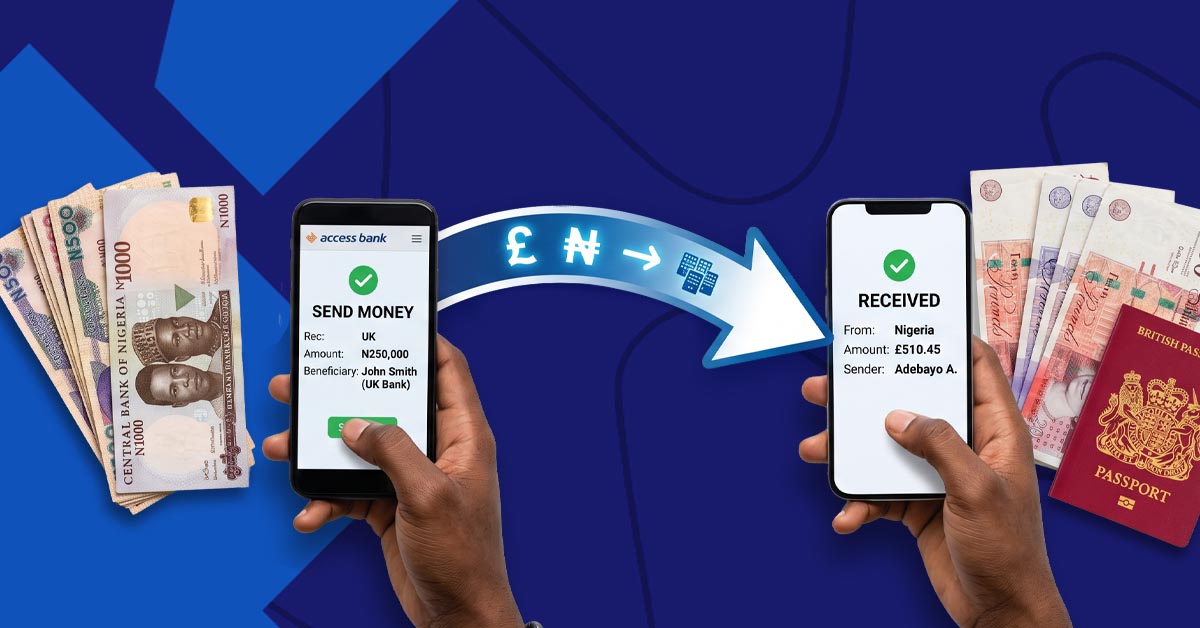
Why Transferring Money from Nigeria to the UK Needs Careful Planning
Moving money from Nigeria to the United Kingdom is something more people and businesses do every year. Students pay tuition and living costs. Families support relatives studying or working in London, Manchester, and other cities. Businesses pay UK suppliers, contractors, and partners.
The challenge is that the transfer itself is rarely the hard part. The hard part is getting the full amount to the right place on time, without losing a chunk of it to fees and exchange rate margins along the way.
Many people only discover the true cost after the transfer is done. The recipient receives less than expected, or the payment arrives late and a deadline is missed. With a little planning, both problems are avoidable.
This guide walks through what to consider, the main ways to move money from Nigeria to the UK, and how to make sure your transfer is fast, transparent, and cost effective.
What to Consider Before You Transfer Money to the UK
Before you pick a transfer method, it helps to understand the four things that determine whether a transfer is good or bad for you.
The exchange rate. The rate you get determines how much the recipient receives. Banks and transfer services quote different rates, and the difference can be significant on larger amounts.
The fees. Some services charge a flat fee, some charge a percentage, and some hide their charges inside the exchange rate. Always compare the total cost, not just the headline fee.
The delivery time. Some transfers arrive the same day, while others take several days. If you are paying a tuition deadline or a supplier invoice, timing matters more than a small fee difference.
The transfer limit. Large payments may need extra verification or split into multiple transfers. Know the limit before you commit to a method.
Getting these four things clear at the start saves money and stress later.
The Main Ways to Transfer Money from Nigeria to the UK
There is no single best way for everyone. The right method depends on the amount, how urgent the payment is, and whether you value speed, cost, or simplicity.
Bank Transfers
Traditional bank transfers are the most familiar option. You walk into a branch or use your banking app, provide the recipient's UK account details, and the bank moves the money through the international banking system.
Banks are reliable, but they are often slow. A transfer can take several days to clear, and the exchange rate offered is rarely the best available. Intermediary banks may also deduct fees along the way, so the recipient can end up with less than you sent.
Fintech Platforms and Payment Apps
Digital payment platforms have become popular alternatives. They offer app-based transfers, clearer pricing, and in many cases better exchange rates than banks.
The trade off is that some platforms limit how much you can send, and not all of them support transfers from Nigeria to the UK smoothly. Verification requirements can also cause delays if your documents are not ready.
Modern Cross Border Payment Services
A growing number of businesses and individuals now use cross border payment services designed specifically for corridors like Nigeria to the UK. These services focus on transparency, predictable delivery, and support for larger transfers.
They are especially useful when the payment is time sensitive, such as a tuition fee, a medical bill, or a supplier invoice.
If you are also sending money the other way, our guide on how to send money to a Nigerian bank account from the UK explains the receiving side of the corridor in detail.
How to Avoid Delays and Hidden Costs
Delays and hidden costs are the two most common complaints about international transfers. Both are largely avoidable.
Confirm the recipient's details twice. A wrong account number or sort code can delay a transfer by days, or send it to the wrong account entirely.
Ask for the full cost upfront. A service that quotes a low fee but a poor exchange rate is not cheaper. Ask for the total cost in naira and the total the recipient will receive in pounds.
Check the transfer limit early. If you are moving a large amount, confirm the limit and any documentation requirements before you start, not after.
Give yourself a buffer for deadlines. Even fast transfers can be affected by weekends and public holidays in either country. Send a few days early when the payment is critical.
Keep your documents ready. Most services require proof of ID and sometimes proof of the source of funds for larger transfers. Having these ready avoids verification holds.
How to Choose the Right Transfer Method
When comparing options, look at the total cost in naira and the total received in pounds, not the advertised fee alone. Then weigh the delivery time against your deadline, and check the maximum amount you can send in a single transfer.
For small, non urgent transfers, a bank transfer or payment app may be perfectly fine. For larger or time sensitive payments, a dedicated cross border payment service is usually the better choice.
This is where modern platforms like DapsyPay come in. The platform is built for people and businesses paying abroad, including the Nigeria to UK corridor. Transfers are delivered the same day on supported transfer types, fees are transparent upfront, and the platform is designed around outbound payments like tuition, supplier invoices, and business costs. Instead of guessing what the recipient will receive, you know the total cost before you confirm the transfer.
Businesses that regularly pay UK suppliers or contractors should also review their overall payment setup. Our guide to why international wire transfers cost so much and how businesses can pay less breaks down where the charges come from and how to reduce them.
Common Mistakes to Avoid
- Choosing a method based on the advertised fee alone, while ignoring the exchange rate
- Sending a time sensitive payment at the last minute without checking delivery times
- Not confirming the recipient's full UK account details before transferring
- Assuming the recipient receives exactly what you sent
- Ignoring transfer limits until the payment is rejected or split unexpectedly
- Not keeping verification documents ready for larger transfers
Frequently Asked Questions
Conclusion
Transferring money from Nigeria to the UK does not have to be stressful or expensive. The key is planning: know the exchange rate, compare total costs, confirm recipient details, and give yourself enough time for the payment to arrive.
For routine, small transfers, the familiar options work fine. For larger or time sensitive payments, a dedicated cross border service like DapsyPay offers same-day delivery on supported transfer types and transparent pricing, so you always know what you are paying and what the recipient will receive.
Before you make your next transfer, review our step by step checklist on what to check before transferring money from the UK to a Nigerian bank account. A few minutes of preparation can save you money, time, and a lot of avoidable stress.
Simplify Your International Payments
Fast, transparent, and reliable cross-border payments for businesses of all sizes.
Visit dapsypay.com