
What Is the Nigerian Currency and How Does It Work?
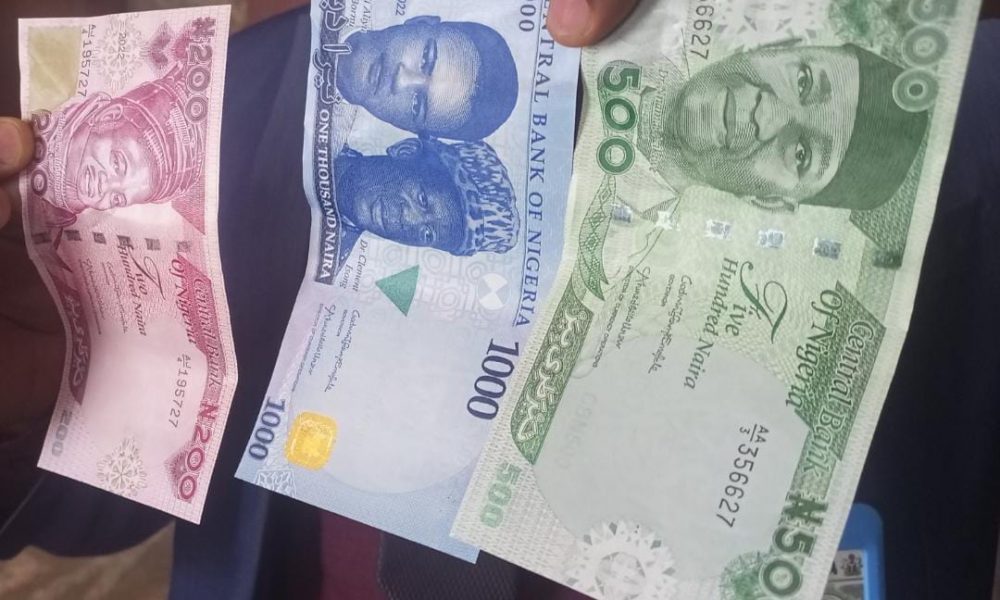
The official currency of Nigeria is the naira, with the international code NGN. It is issued by the Central Bank of Nigeria and is divided into 100 kobo. Banknotes in circulation include 1000, 500, 200, 100, 50, 20, 10, and 5 naira notes, alongside coins. The naira floats against other currencies, and its value is determined by market forces at the official window and the parallel market. Businesses and individuals use it for everyday spending, and anyone paying abroad must convert naira into the recipient's currency at the prevailing exchange rate.
If you do business with Nigeria, pay for goods from Nigerian suppliers, or send money to a Nigerian beneficiary, the naira is the currency you will deal with. It is also the currency every Nigerian business thinks about when pricing imports, planning cash flow, and deciding when to convert earnings. A clear picture of how the currency works saves you from expensive surprises at the exchange counter.
A Short History of the Nigerian Currency
The naira was introduced on January 1, 1973, replacing the Nigerian pound at a rate of two naira to one pound. The name was chosen from the word "Niger" and was adopted to give the country a distinct national currency after independence. The Central Bank of Nigeria (CBN), which was established in 1958, has been responsible for issuing and managing the currency ever since, according to the Central Bank of Nigeria.
Over the decades, the currency has seen multiple redesigns, the introduction of polymer notes, and, most recently, a major redesign of the 200, 500, and 1000 naira notes in 2023. Each change was aimed at controlling inflation, improving security, and bringing more money into the formal banking system. For businesses, these redesigns matter because old notes can lose legal tender status, which is why staying informed about CBN announcements is part of basic financial hygiene.
Naira Banknotes and Coins in Circulation
The naira is divided into 100 kobo, and both notes and coins are legal tender. The banknotes most people encounter in daily life are:
- 1000 naira note: The highest denomination, commonly used for larger purchases and savings.
- 500 naira note: Widely used for everyday transactions and market purchases.
- 200 naira note: Common for transport fares and smaller retail purchases.
- 100, 50, 20, 10, and 5 naira notes: Used for smaller transactions, with the 5 naira note being the lowest paper denomination.
Coins exist in denominations of 50 kobo, 1 naira, and 2 naira, although they are rarely seen in circulation today because inflation has reduced their purchasing power. The CBN has explored reintroducing coins, but notes remain the practical medium for most Nigerians. For accounting purposes, the unit that matters is the naira, and all prices, invoices, and contracts in Nigeria are denominated in NGN.
How the Naira Exchange Rate Works
The naira is a floating currency, which means its value against the dollar, pound, euro, and other currencies moves with supply and demand. In 2023, the CBN unified the exchange rate windows, allowing the naira to trade more freely and letting market forces play a larger role in determining its value. The result is that the official exchange rate now moves regularly, and businesses must check the rate at the time they actually transact rather than relying on rates published weeks earlier.
There are two rates to be aware of. The official rate is quoted at the official foreign exchange market and is the rate banks and licensed platforms use. The parallel market rate is what you get from informal currency traders, and it can differ from the official rate by a meaningful margin. For legitimate business payments, what matters most is the rate your payment provider actually applies, including any markup hidden in the spread.
What Moves the Naira's Value
Several forces push the naira up or down, and understanding them helps you anticipate how much your next international payment will cost. The main drivers are:
- Oil and gas revenue: Oil is Nigeria's largest export earner, so global oil prices directly influence the supply of foreign currency in the economy.
- Import demand: Nigeria imports fuel, machinery, cars, electronics, and food. When import demand rises, more foreign currency is needed, which pressures the naira.
- Diaspora remittances: Money sent home by Nigerians abroad adds to the supply of foreign currency. Remittances to Nigeria were estimated at around $20 billion annually in recent years, according to the World Bank.
- Foreign investment: Portfolio and direct investment bring dollars into the economy, while capital outflows do the opposite.
- Central bank policy: Interest rate decisions, foreign exchange interventions, and monetary policy signals from the CBN all affect how the market prices the naira.
Because these forces change constantly, the naira's value can shift noticeably within a single week. For anyone planning an international payment, that volatility is the reason to lock in a rate close to the time of payment instead of assuming yesterday's rate still applies.
The eNaira and Digital Currency
In October 2021, the CBN launched the eNaira, a central bank digital currency designed to complement physical cash. The eNaira is issued by the CBN, holds the same value as the physical naira, and is stored in a digital wallet. Its goals include improving financial inclusion, reducing the cost of cash handling, and making government payments more efficient.
Adoption has been gradual, and the eNaira exists alongside physical cash and bank money rather than replacing them. For businesses, the practical takeaway is simple: the naira is now both a physical and a digital currency, and the same exchange rate rules apply to both forms.
What the Naira Means for International Payments
Every time a Nigerian business pays a foreign supplier, a student pays tuition abroad, or a family pays for medical treatment overseas, naira must be converted into the recipient's currency. That conversion comes with three costs: the exchange rate itself, the markup the provider adds, and the transfer fees. Many people focus only on the transfer fee, but the exchange rate markup is often the larger cost.
This is where the choice of payment provider makes a real difference. Banks traditionally quoted wide spreads on naira conversions and added intermediary bank charges that were only visible after the transfer. Modern cross-border platforms like DapsyPay show the rate upfront, apply transparent fees, and settle payments super fast, so businesses know exactly what a payment will cost in naira before they approve it. No hidden deductions, no waiting days to discover that the recipient received less than expected.
For importers, tuition payers, and medical tourists, this transparency turns currency risk into a manageable line item. You can compare rates across providers, time your payment, and budget accurately in naira. If you are building an international payment workflow, our guide to choosing a cross-border payment gateway explains how the receiving side of that workflow fits together, while our guide to buying clothes in bulk for resale in Nigeria shows how naira planning applies to a real importing business. Sellers and freelancers without a traditional bank account can still move money abroad, as we cover in our guide to sending money abroad without a bank account, and businesses exploring stablecoin settlement will find our guide to buying crypto useful.
Frequently Asked Questions
Conclusion
The naira is more than a medium of exchange; it is the lens through which Nigerian businesses experience the global economy. Its value moves with oil prices, imports, remittances, and central bank policy, which makes planning essential. Whether you are paying school fees, settling supplier invoices, or buying property abroad, the currency you convert from is the naira, and the provider you choose determines how much of your money actually arrives. Choose one that is transparent about rates, honest about fees, and fast enough to protect your deadlines.
Make International Payments With Confidence
Understand the naira, plan your FX costs, and pay suppliers abroad with transparent rates and super fast settlement.
Visit dapsypay.com