
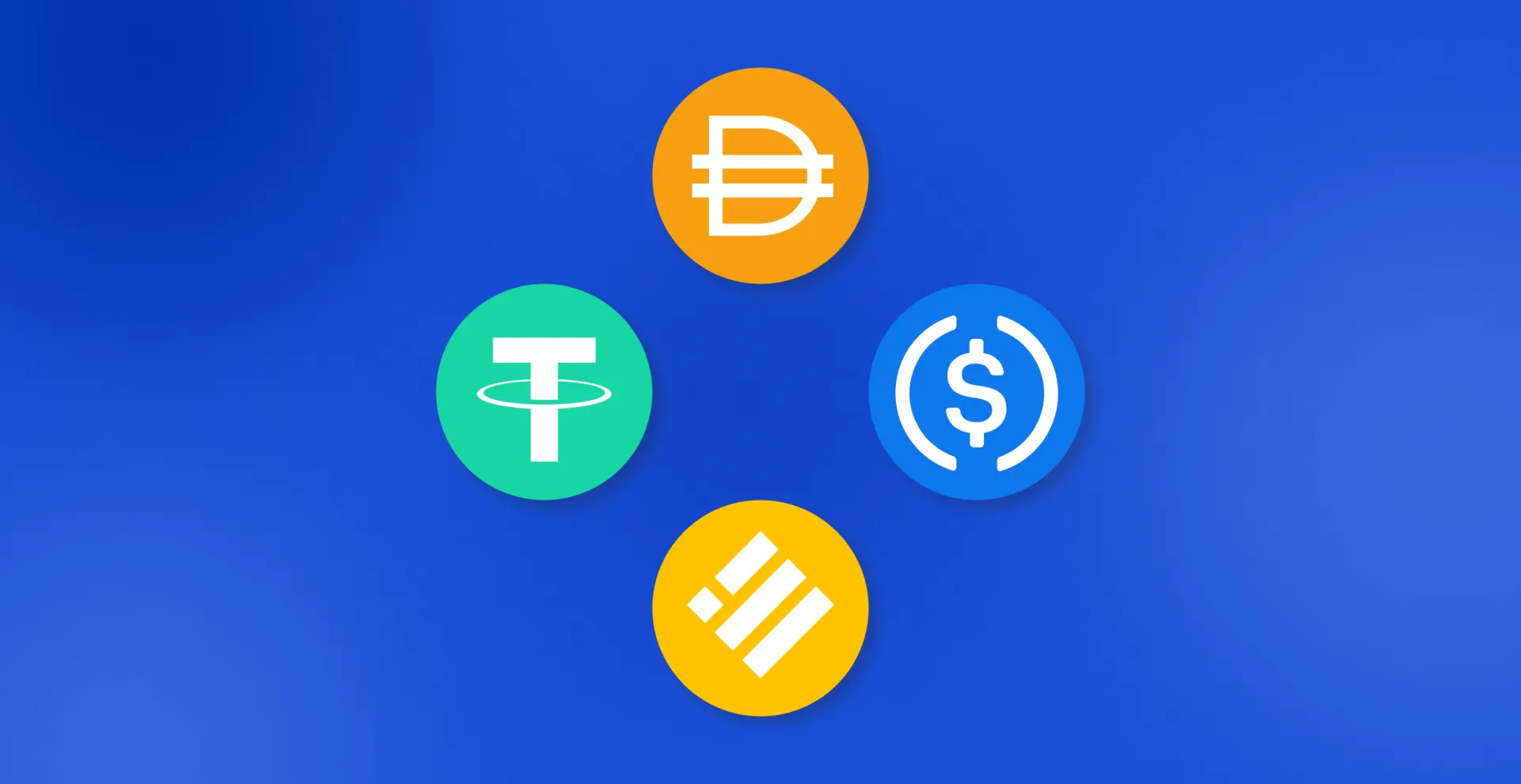
What Is a Stablecoin? How Stablecoins Work in 2026
What Is a Stablecoin and How Does It Work in 2026
Quick Answer: A stablecoin is a type of cryptocurrency designed to hold a steady value, usually pegged one to one to a fiat currency like the US dollar. USDT and USDC are the most widely used examples. Because their price barely moves, stablecoins are used for payments, cross-border transfers, and storing value without the volatility of Bitcoin or Ethereum. In 2026 they have become a mainstream way to move money internationally.
Stablecoins have grown from a niche crypto tool into one of the most important payment technologies in the world. In 2026, they settle billions of dollars in transactions every day, and businesses, freelancers, and traders use them for everything from supplier payments to salary payouts. The reason is simple: stablecoins give you the speed of crypto and the stability of cash.
The numbers confirm the shift. According to CoinMarketCap, stablecoins consistently rank among the largest assets in the cryptocurrency market by trading volume. The Tether team publishes regular transparency reports on the reserves behind USDT, and major exchanges list stablecoin pairs as their most traded markets. This is not a fringe technology anymore. It is the rails on which the crypto economy runs.
This guide explains what stablecoins are, how they hold their value, how transfers actually work, and how to use them safely for payments in 2026.
How Stablecoins Keep a Steady Value
A stablecoin is a digital token that aims to maintain a fixed exchange rate with a real currency. The most common design is the fiat collateralized model: the issuer holds reserves equal to the number of tokens in circulation. For every USDT in circulation, the issuer holds a corresponding dollar or equivalent asset in reserve. When you buy a token, you are effectively buying a claim on that reserve.
Other designs exist. Some stablecoins are backed by baskets of assets, some are backed by crypto collateral, and some use algorithms to keep their price stable. But the fiat backed model dominates because it is the easiest to understand and the most trusted. The result is that a stablecoin's price stays close to one dollar, with tiny fluctuations that are usually invisible in everyday use.
For a deeper technical explanation of how these pegs work, the Binance Academy library has a solid stablecoin primer. It is a useful reference, though for actually moving money, most users do not need the technical detail. What they need is a wallet that handles network selection and conversion for them, which is why the practical guide below focuses on the payment flow rather than the peg mechanics.
The Most Used Stablecoins in 2026
USDT (Tether)
USDT is the largest stablecoin by market capitalization and trading volume. It is available on many blockchain networks, including TRON (TRC20) and Ethereum (ERC20), which makes it flexible for payments and trading. Its parent company publishes reserve attestations, and its transparency page tracks the backing assets.
USDC (USD Coin)
USDC is issued by Circle and is known for its regulatory focus and regular attestations. It runs natively on Ethereum and other networks, and it is widely accepted across exchanges, wallets, and payment platforms. Many businesses choose USDC when they want a stablecoin with a strong compliance story.
Other stablecoins
There are also fiat backed tokens pegged to other currencies, such as euro and pound stablecoins, and asset backed tokens with different collateral models. For most payment use cases, USDT and USDC cover the vast majority of needs.
When choosing between them, the practical differences matter more than the marketing. Network fees, confirmation times, and acceptance by the recipient all vary. Coinbase, one of the largest regulated exchanges, offers clear guidance on which stablecoins it supports and how to move them, which is a good starting point for research. For day to day payments, however, a platform that abstracts the network details and shows you the final cost is simpler than managing multiple wallets and networks yourself.
How Stablecoin Transfers Work
Sending a stablecoin is different from sending a bank transfer. There is no intermediary bank and no correspondent chain. You send tokens from your wallet to the recipient's wallet address on the same blockchain network, and the transfer is confirmed by the network itself.
The practical steps are:
Step 1: Choose the network
USDT exists on TRON, Ethereum, Solana, and other networks. The sender and recipient must use the same network, because tokens on different networks are not interchangeable. Sending USDT on the wrong network is one of the most common and most expensive mistakes in crypto.
Step 2: Get the correct wallet address
The recipient provides a wallet address for the chosen network. Addresses are long strings of characters, and a single wrong character sends the funds somewhere unrecoverable. Copy and paste, never type.
Step 3: Confirm and send
The wallet shows the amount and the network fee. Once confirmed, the transfer settles on the blockchain in minutes, dramatically faster than a traditional international wire, which typically takes days through the banking system.
Step 4: Verify arrival
The recipient confirms the tokens arrived in their wallet. The whole journey is visible on the blockchain explorer, so there is no mystery about where the payment is.
Why Stablecoins Are Used for Payments
Stablecoins solve a real problem: moving value across borders quickly without paying bank wire fees or waiting for correspondent banking. A freelancer can be paid in USDT and convert to local currency. A business can pay a foreign supplier in USDC within minutes on the blockchain. An importer can hold value in dollars without a foreign bank account.
Market data from CoinMarketCap shows that stablecoin trading volumes regularly exceed those of any single volatile cryptocurrency, which is a sign of how central they have become to the crypto economy. The use case has expanded far beyond trading into everyday payments, and 2026 is the year this became completely mainstream.
For businesses and individuals who want the speed of stablecoin settlement without managing multiple wallets and networks, DapsyPay provides a clean way to buy, hold, and send stablecoins for cross-border payments. The platform handles network selection and shows transparent costs, so you get the super fast settlement of blockchain payments without the technical overhead. Instead of juggling private keys and network IDs, you see the amount, the fee, and the delivery, all in one place.
Stablecoins are also changing how traditional corridors work. Our guides to sending money from the UK to Nigeria and sending money to the UK from Nigeria cover both stablecoin and traditional routes, so you can compare them side by side before choosing.
Stablecoin Risks to Know
- Network mistakes: sending tokens on the wrong network can make them unrecoverable. Always double check the network.
- Address errors: a single wrong character in a wallet address can lose the funds permanently.
- Issuer risk: stablecoins are only as stable as their reserves, so choose major, transparent issuers.
- Scams and fake wallets: only use official apps and platforms, never links sent by strangers.
- Regulatory changes: stablecoin rules are still evolving, and requirements can change quickly.
Many of the failures people worry about with crypto have familiar cousins in banking. A wrong wallet address is the crypto version of a wire sent to the wrong account, and our guide on wire transfer problems and how to fix them covers the recovery playbook. And because exchanges and wallets can freeze funds during compliance reviews, our guide on bank account freezes, causes, and prevention explains how to protect yourself there too.
Common Mistakes to Avoid
- Sending on the wrong network: the single most expensive mistake in stablecoin transfers.
- Typing wallet addresses: always copy and paste, and verify the first and last characters.
- Holding funds on an exchange long term: move what you are not trading into your own wallet.
- Ignoring network fees: fees vary by network and congestion, so check before you confirm.
- Using unverified platforms: a fake wallet or exchange app can drain your funds in minutes.
Frequently Asked Questions
Conclusion
Stablecoins have become a mainstream way to move money in 2026. They combine the speed and transparency of blockchain with the price stability of cash, which makes them ideal for cross-border payments, business settlement, and holding value without volatility.
For a simple way to buy, hold, and send stablecoins for payments, DapsyPay handles the technical details so you get super fast settlement and transparent costs. Choose your network carefully, protect your wallet, and stablecoins become one of the most efficient payment tools available.
Buy, Hold, and Send Stablecoins with Ease
A clean way to use USDT and USDC for super fast cross-border payments.
Visit wallet.dapsypay.com