
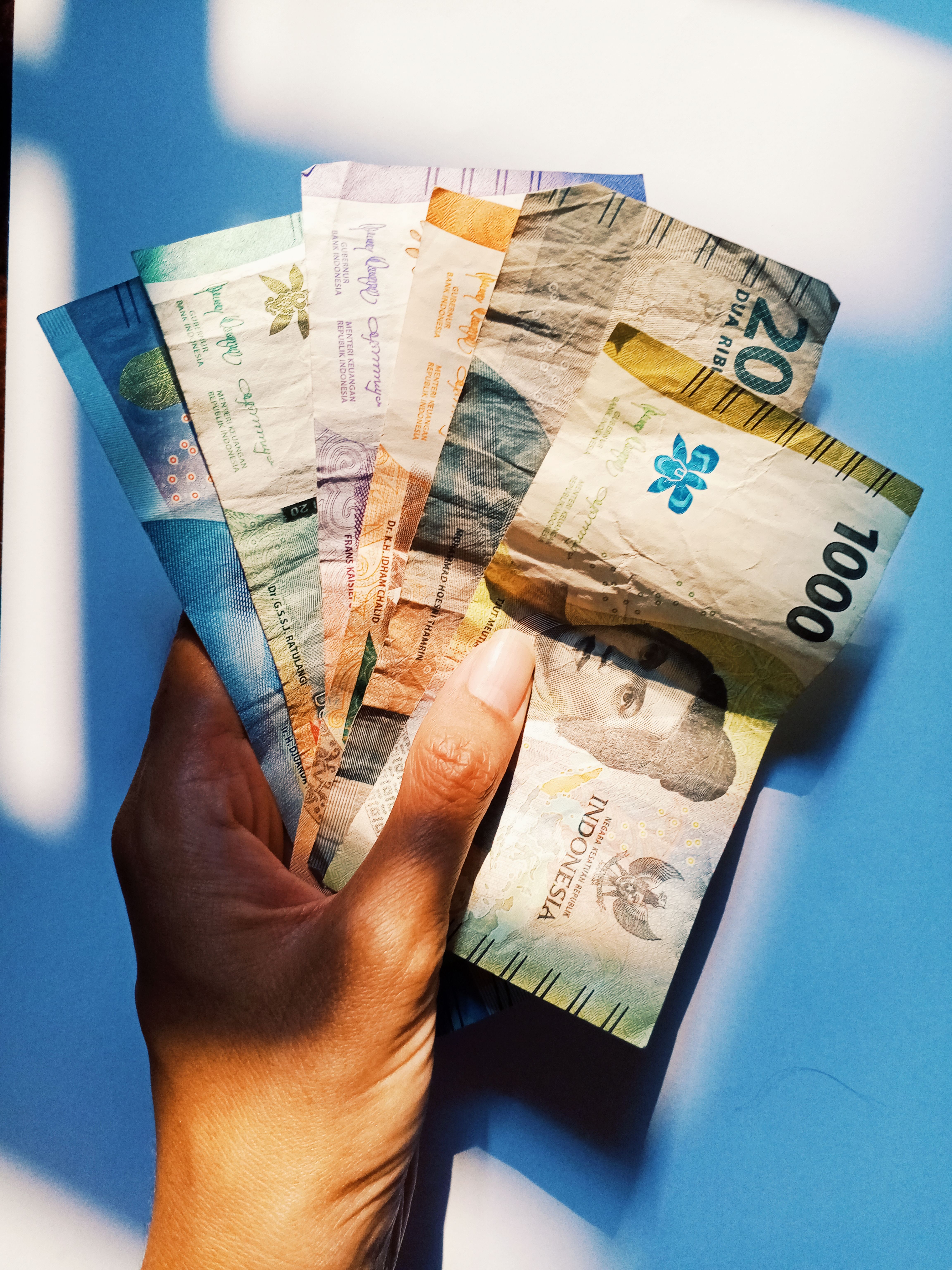
How to Transfer Money to China
To transfer money to China, choose the rail first (bank wire, a payment platform or a card), then gather the beneficiary details exactly as the receiving bank wants them, including the account name, account number and the bank's clearing code. Confirm whether the invoice is in renminbi or US dollars, because that decides who carries the exchange rate risk. Send on a route with a visible fee and a traceable reference, and keep the invoice and payment proof together.
Why China Transfers Feel Different
Sending money to China is not harder in principle than sending money anywhere else, but it has more moving parts. Three things make it feel different.
First, the currency question. China's currency, the renminbi (also called the yuan), trades under rules that differ from fully open currencies, and the State Administration of Foreign Exchange supervises how cross-border money moves in and out. Many international invoices are issued in US dollars instead, and that choice changes the cost of the transfer.
Second, the documentation. Banks handling payments related to trade often ask for the invoice, the contract or a customs document, and they may ask for them before the payment clears rather than after. Keeping those documents ready, and sending on a route that shows the fee and rate up front, is what keeps a documentation heavy payment from becoming a slow one.
Third, the volume. China has been the world's largest goods exporter for more than a decade, according to the World Trade Organization, so payments into it sit inside heavy screening and high processing volumes. A well prepared transfer moves smoothly. A thin one attracts questions.
The Rails You Can Use
There is no single best method for every payment. Match the rail to the size, urgency and purpose of the transfer.
| Rail | Best for | Speed | Typical cost profile |
|---|---|---|---|
| Bank wire (SWIFT) | Large supplier and trade payments | One to five business days | Fixed fee plus exchange rate margin plus possible intermediary charges |
| Payment platform | Medium business payments and repeat suppliers | Can be fast, varies by corridor | Lower fixed fee, visible rate margin |
| Card payment | Small purchases and online orders | Near immediate for the merchant | Percentage fee, often capped, poor for large sums |
| Third party agent | Same currency cash or local settlement | Same day to a few days | Varies widely, watch the spread |
For most business payments in the thousands or more, the choice is really between a bank wire and a payment platform. The deciding factors are the all in cost and how much visibility you get. Services such as Wise have made mid size transfers cheaper and more transparent than a traditional wire, which is a genuine step forward for smaller amounts. What matters at scale is different: a business paying a deposit and a balance in the same week needs no limit on the amount, a fee that does not climb with the transfer, and a rate it can see before it commits.
How to Prepare the Beneficiary Details
Most delayed payments to China are caused by details, not by policy. Get these right before you send.
- Beneficiary name, exactly as it appears on the bank account, not as it appears on the invoice if the two differ.
- Account number, with the correct number of digits and no spaces.
- Bank name, in English and where possible in Chinese characters.
- Clearing code or branch code, which many Chinese banks require alongside the account number.
- SWIFT or BIC code for the receiving bank.
- Payment reference, matching the invoice number so the funds are allocated rather than held.
- Invoice currency, so the beneficiary expects the currency that arrives.
If the supplier provides a payment instruction letter, use it word for word. Do not retype bank details from a chat message, and never accept a last minute change to bank details without verifying it through a second, independent channel. This single habit prevents a large share of payment diversion fraud.
Renminbi or US Dollars: Who Carries the Currency Risk
This decision is quietly one of the most expensive ones in the whole transaction.
If you invoice in US dollars, you send dollars and the beneficiary converts on their side. The rate they receive is their bank's, and the cost sits with them, which usually comes back to you in the price.
If you invoice in renminbi, you take on the conversion. You see the rate up front, but you carry the exposure if the rate moves before settlement.
Neither option is automatically cheaper. What matters is that one party knows the rate and the other does not. When you send on a route that shows the fee and exchange rate before you confirm, that asymmetry disappears, and you can price the payment properly in advance rather than discovering the true cost after the goods ship.
Documentation You May Be Asked For
Payments into China linked to trade are commonly reviewed, and a complete pack clears the review faster.
- The proforma or commercial invoice, showing the parties, the goods and the amount.
- The purchase order or contract, if one exists.
- A shipping or customs document, where the payment relates to imported goods.
- A short purpose statement, explaining what the payment is for in one or two lines.
- Identity and business documents, where the paying bank requires them.
If a payment is held, the fastest fix is to reply once, in writing, with everything attached. Our guide on why banks freeze accounts after international transfers explains the document pack that clears most reviews, and the same discipline applies here.
What Can Delay a Transfer to China
- Cut off times. A payment sent after the bank's cut off waits for the next business day, and time zone gaps between your bank and China can add a day.
- Public holidays. The Chinese New Year period and other national holidays can pause processing for days.
- Correspondent banks. A payment that routes through an intermediary bank can pause at each hop.
- Screening and documentation. A payment with a thin or mismatched paper trail attracts a review.
- Incorrect clearing details. A missing or wrong branch code can send a payment back.
- Currency mismatch. Sending a currency the beneficiary bank does not hold can add a conversion step.
If a payment does stall, act fast rather than waiting for it to resolve. Our guide on why your wire transfer has not arrived and how to fix it walks through the trace and recall steps in order.
Sending the Payment on a Route Built for Business
For importers and businesses paying Chinese suppliers, the payment is rarely a one off. It is a deposit now, a balance on production, then another order next month. That rhythm makes cost and visibility cumulative.
This is where the route itself earns its place. When you send funds through DapsyPay, the transfer travels on conventional international rails such as SEPA and ACH, with a named beneficiary and a direct bank account rather than an open chain. There are no limits on how much you can send, which suits the deposit and balance structure that most Chinese suppliers expect, and the fee and exchange rate are shown before you confirm, so the amount the supplier receives is clear in advance rather than discovered afterwards. For a business sending several payments a month, keeping the fee, the rate and the reference visible on every transfer is what makes a payable ledger stay reliable.
It also keeps each payment traceable. A named beneficiary and a clear reference mean that if a supplier queries whether a deposit arrived, you have an answer rather than a guess.
Payment deadlines are not only a business concern. A transfer tied to an enrolment deadline carries the same risk, and is studying abroad worth it looks at how payment costs fit into the wider budget. And to see how a very different kind of payment network prices each transaction, read our explainer on network fees.
Best Practices for Paying Into China
- Match the invoice currency to the beneficiary's expectation. Do not assume dollars are always welcome.
- Verify bank details through two channels. Use the invoice and a live call or a signed instruction letter.
- Keep the reference identical to the invoice number. It speeds allocation.
- Send fewer, larger payments where terms allow. Fewer transfers usually mean fewer total fees.
- Build holiday timing into your plan. Check the Chinese calendar before committing to a deadline.
- Keep the full pack together. Invoice, order, payment proof and shipping record, in one folder per order.
Common Mistakes
- Retyping bank details from a chat message. This is a leading cause of payments going astray.
- Ignoring the branch or clearing code. Some Chinese banks will reject a payment without it.
- Assuming the beneficiary receives the full amount. Intermediary deductions and rate margins can reduce it.
- Sending after the cut off and expecting same day movement. Processing windows are real.
- Forgetting national holidays. Chinese New Year alone can pause trade for over a week.
- Leaving payment proof unrecorded. Reconciling supplier accounts without it is guesswork.
Frequently Asked Questions
Conclusion
Transferring money to China comes down to three decisions: which rail you use, which currency the invoice is set in, and how clean your beneficiary details and paperwork are. Get those right and the payment moves as smoothly as any other corridor. Get them wrong and the delay will be about detail, not policy.
Before the next payment, confirm the currency, verify the bank details through two channels, and choose a route that shows the fee, the rate and a traceable reference before you confirm. Do that and the payment stops being a risk and becomes a routine line in the ledger.
Pay Chinese Suppliers With the Full Cost in View
Send deposits and balances on conventional rails with no limits, the fee and exchange rate shown before you confirm, and delivery into the named beneficiary bank account.
Visit dapsypay.com