
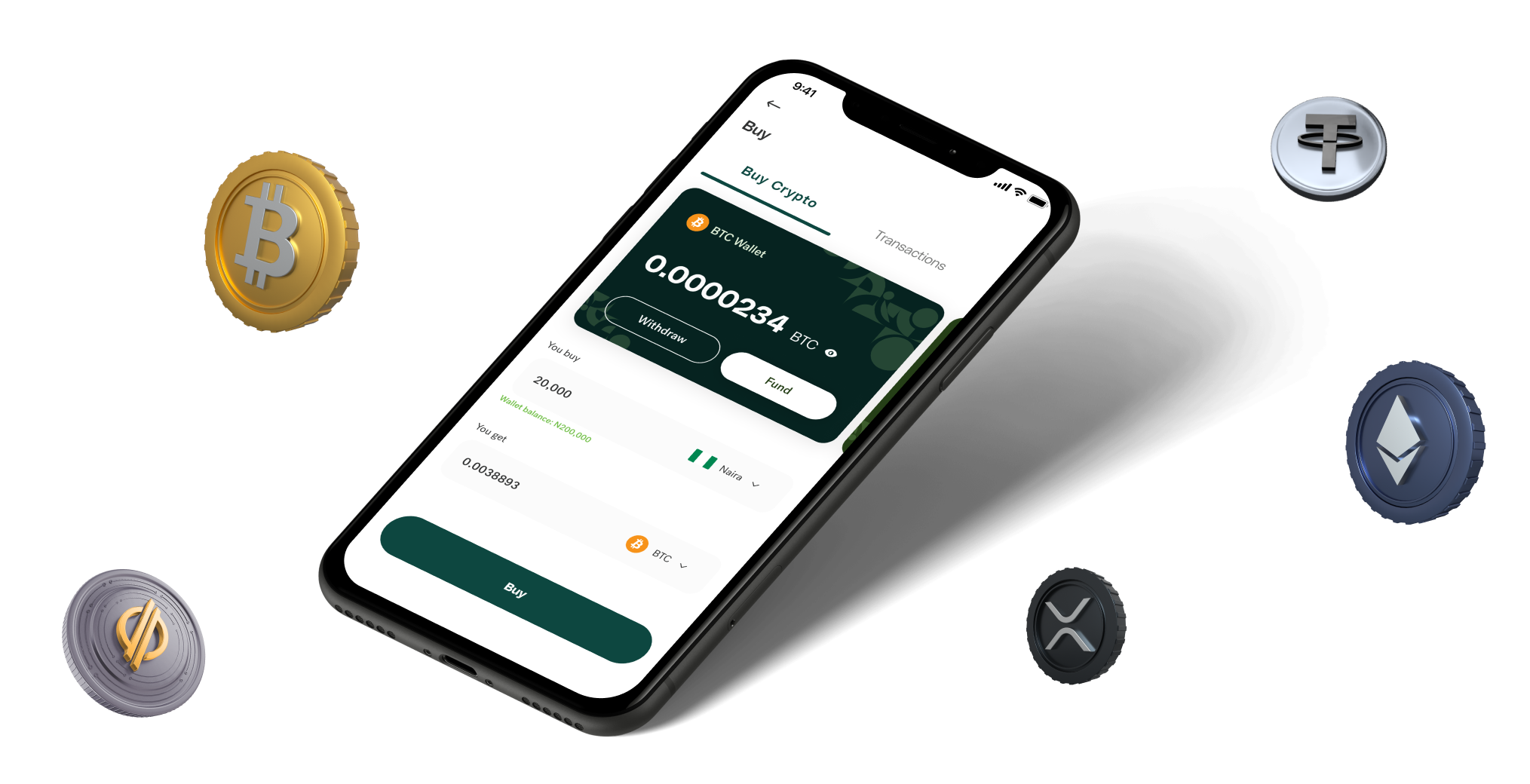
Best App to Buy Crypto
What a Good Crypto App Actually Does
Buying crypto looks simple, but the app you pick decides three things you cannot change later: the price you pay, the networks you can use, and how much control you have over your own coins. An app that feels cheap on the first screenshot can quietly cost more through a wide spread, a withdrawal fee, or a network it does not support.
So rather than asking which app is best in the abstract, ask what you need. If you are a beginner buying a small amount to hold, simplicity and safety win. If you are sending stablecoins to pay a supplier or a family member, the withdrawal route and network support matter most. If you trade actively, depth and order types matter. The right answer depends on the job.
The Main Types of App
Before comparing brands, understand the categories, because they behave very differently.
| App type | What it is | Best for |
|---|---|---|
| Centralised exchange app | A company holds your coins and trades for you | Beginners and simple buying |
| Advanced trading app | Same, with charts, order types and limit orders | Active traders |
| Self custody wallet | You hold your own keys and swap in app | People who want full control |
| Peer to peer app | You buy from another person via escrow | Users avoiding card fees |
| Broker or wallet service | A simple buy and send front end | Sending stablecoins abroad |
Beginner friendly exchanges such as Coinbase are a reasonable starting point for a first purchase, but their fees and spreads are higher than many users expect once they start moving meaningful amounts. Learning resources such as Binance Academy explain the mechanics of each category clearly, and are worth reading before you commit to any one platform.
What to Compare Before You Choose
Six factors separate a good app from a frustrating one.
- Total cost. Not just the trading fee, but the spread between the buy and sell price, funding fees, and withdrawal fees.
- Funding methods. Card, bank transfer, local payment, or peer to peer. The cheapest funding route is different in every country.
- Supported networks. TRC20, ERC20, BEP20 and Solana behave very differently on cost and speed, and not every app supports all of them.
- Custody. Does the app hold your coins, or do you hold the keys? This decides how much risk you carry.
- Verification. How much identity checking is required, and how long it takes before you can withdraw.
- Reliability. Support, uptime, and a track record of handling withdrawals without drama.
Fees and Costs Compared
Fees are the fastest way to lose money without noticing, so compare the all in number, not the headline.
| Cost item | What to watch |
|---|---|
| Trading fee | A flat percentage per buy or sell |
| Spread | The gap between market price and your execution price |
| Deposit fee | Charged when you fund with a card or bank |
| Withdrawal fee | Charged per transfer out, fixed per network |
| Network fee | Paid to the network, varies by chain |
| FX conversion | If you fund in a local currency that is not USD or EUR |
A low trading fee is worthless if the spread is wide. The honest way to compare is to price the same purchase on two apps and look at the total you receive, in coins, for the same amount of local cash.
Funding Methods and Which to Use
Card funding is the fastest and the most expensive, because it carries both a processing fee and, on some cards, a cash advance charge. Bank transfer is slower and usually far cheaper, and it suits larger purchases. Local payment methods vary by country and are often the best balance of cost and speed. If you are outside the major markets, peer to peer can be cheaper, but it adds counterparty risk and the possibility of a frozen account if the funds you receive are not clean.
For stablecoin users, the currency you buy matters too. Most people looking to send value across borders reach for a dollar stablecoin, and the two largest are issued by different companies with different reserve and attestation practices that are worth understanding before you choose. Tether publishes regular reserve reports for USDT at Tether Transparency, and market data sites such as CoinMarketCap show live supply and pricing for the main stablecoins so you can compare at a glance.
Security and Custody
Two questions decide your security posture. First, who holds the coins? On a centralised app, the company holds them and you hold an account, which is convenient but means you depend on that company. In a self custody wallet, you hold the keys and the responsibility. Second, how is access protected? Strong passwords, unique credentials, two factor authentication and a hardware wallet for large holdings are the basics.
The most common and most avoidable loss is not a hack. It is a user giving away a recovery phrase in response to a message, or storing it somewhere a thief can find it. No legitimate app or support agent will ever ask for your recovery phrase. Treat any request for it as fraud, full stop.
Networks, Withdrawals and Where People Lose Money
When you move stablecoins, the network you choose controls the cost and the speed, and picking the wrong one can lose the coins entirely. USDT, for example, is issued on several chains, and a transfer sent on a network the receiving wallet does not support cannot be recovered by the sender. Always confirm the destination wallet supports the exact network before you send, and start with a small test transfer on a new route.
As a rough guide, TRC20 is widely used for low cost stablecoin transfers, ERC20 is the most compatible but the most expensive in network fees, BEP20 trades on a low fee chain, and Solana is built for speed. Which one is best depends on what the recipient's wallet supports, not on which sounds fastest.
Buying and Sending With wallet.dapsypay.com
Once you know what you need, the practical question is whether to stack several tools or use one place that does the job end to end. This is where DapsyPay fits. wallet.dapsypay.com is a crypto wallet built for real payments rather than only for trading, so buying, holding and sending stablecoins sit in one place. It handles the network choice sensibly so you are not left guessing between TRC20, ERC20, BEP20 and Solana, and it is designed for sending value across borders, which is the job most stablecoin buyers actually have in mind when they search for the best app to buy crypto. For the user who buys USDT to settle a payment or support family abroad, DapsyPay trims the workflow that a trading focused exchange leaves to you.
Best Practices
- Buy a small amount first and complete a full cycle, funding and withdrawal, before committing more.
- Compare the total received, not the advertised fee.
- Confirm the destination network before every transfer, and test with a small amount.
- Move larger holdings to a wallet you control.
- Never share a recovery phrase or seed phrase with anyone, ever.
- Keep records of every buy, send and sale for tax and compliance purposes.
- Use a regulated, reputable app rather than an unknown one offering impossible rates.
Frequently Asked Questions
Conclusion
The best app to buy crypto is not the one with the lowest headline fee, it is the one that fits the way you will use it. Decide whether you are holding, trading, or sending value abroad, then judge each candidate on total cost, funding options, network support, custody and reliability. Buy small, test the full route, confirm the network every time, and protect your recovery phrase as the keys to your money. If your goal is to send stablecoins across borders rather than to trade, a payment focused wallet is the simpler path, and DapsyPay is built for exactly that. Readers who want to understand how these payments settle alongside conventional rails can also read our explainer on how long a SWIFT transfer takes, our guide on how escrow payments work for larger protected deals, our piece on how to protect your business from supplier payment fraud, and how to relocate to Europe for the payment side of a move.
Buy and Send Stablecoins in One Place
A crypto wallet built for real cross-border payments, with the network handled sensibly.
Visit wallet.dapsypay.com