
How Does Escrow Payment Work
What Is an Escrow Payment
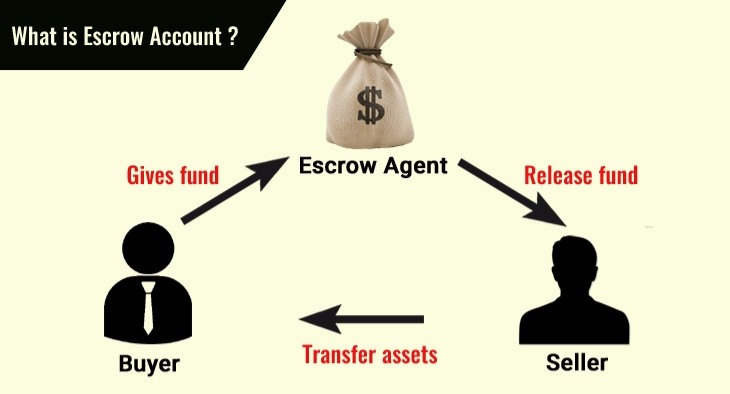
Escrow is a simple idea dressed in legal language. Instead of the buyer paying the seller directly, the buyer pays an escrow agent. The agent confirms the funds are real and held, tells the seller it is safe to proceed, and only releases the money when the conditions in the escrow agreement have been satisfied.
The word escrow comes from the idea of a deed held by a third party until a condition is fulfilled. In modern commerce the third party is usually a bank, a licensed escrow company, or a platform that offers escrow as part of checkout. The key feature is always the same: neither party controls the money alone, and the agent acts on written instructions rather than on either side's say so. Consumer finance education sites such as Investopedia describe escrow in the same way, as a neutral holding arrangement that removes the risk of one party failing to perform.
How Escrow Works Step by Step
The sequence is worth knowing in detail, because most disputes come from a step that was never clearly agreed.
- The buyer and seller agree the deal, the specification, the price and the delivery or inspection conditions.
- They choose an escrow agent and sign an escrow agreement that spells out exactly what triggers release.
- The buyer funds the escrow account. The agent confirms receipt and, in most cases, that the funds have cleared.
- The agent notifies the seller that funds are secured, so the seller can ship or deliver with confidence.
- The buyer inspects the goods or confirms the service against the agreed conditions.
- The buyer instructs release, or the agent releases automatically once the agreed milestones and documents are met.
- The agent pays the seller, and any dispute over a failed condition goes to the dispute process in the agreement.
Types of Escrow
Different deals need different escrow arrangements.
- Bank escrow. A bank holds the funds in a dedicated account. Common for large property transactions and structured trade deals.
- Online escrow services. Specialist companies handle the whole flow digitally, which suits smaller cross border purchases between strangers.
- Platform escrow. Marketplaces hold buyer funds and release to the seller on delivery confirmation, which is how most consumer protection at checkout works.
- Legal or attorney escrow. Used in property and corporate transactions where a lawyer holds funds against completion conditions.
- Trade platform escrow. B2B sourcing platforms hold an order payment against compliant delivery, which is the model behind many supplier protection schemes.
What Escrow Costs
Escrow is not free, and the fee usually scales with the amount and the complexity. Expect a percentage of the transaction value, often with a minimum charge, plus any bank transfer costs at funding and release. Some platforms bundle escrow into a wider transaction fee rather than quoting it separately.
The practical way to judge the cost is to compare it with the loss you are trying to avoid. If a supplier deposit is a few hundred pounds, a heavy escrow fee may not be worth it. If you are paying a five figure first order to a supplier you have never used, a small percentage to remove the risk is cheap insurance. As a benchmark, dedicated escrow providers such as Escrow.com publish tiered fees that fall as the transaction value rises, and platform schemes such as Alibaba Trade Assurance fold protection into the order flow instead of charging a separate line.
When Escrow Is Worth It
| Situation | Is escrow worth it |
|---|---|
| First order with an unproven supplier | Yes, strongly |
| High value shipment or property purchase | Yes |
| Small repeat order with a trusted supplier | Usually no |
| Services delivered in milestones | Yes, tied to each milestone |
| Fast turnaround where speed wins the deal | Only if both sides accept the delay |
Escrow Compared With a Letter of Credit and a Direct Transfer
Escrow is one of three common ways to make a large or risky payment, and it helps to see them side by side.
| Method | Who holds the money | Best for | Trade off |
|---|---|---|---|
| Escrow | A neutral agent | First time or high value deals | Fee and a short delay |
| Letter of credit | Banks on both sides | Large documented trade | Paperwork and bank charges |
| Direct transfer | The buyer pays the seller | Trusted, repeat relationships | Buyer carries all the risk |
A letter of credit is the trade finance classic, and it works best when both sides have banks comfortable with documentary trade. Escrow is lighter and faster to set up, and it suits smaller and mid sized transactions. A direct transfer is the cheapest and fastest, but it demands a level of trust that is only earned over time.
Where the Payment Rail Fits In
Whichever protection you choose, the money still has to move, and the rail you use decides how quickly and cleanly it lands. This is where DapsyPay fits naturally. The platform runs on conventional international transfer rails such as SEPA and ACH, pays directly into a named bank account, and keeps fees transparent instead of hiding a margin inside the exchange rate. It supports bulk and business sending with no limits on the amount, which is exactly what an escrow release or a staged supplier schedule requires, and every payment arrives with a clear record you can match to the escrow agreement. Speed matters too, because funds released from escrow are often time sensitive, and a rail that clears fast keeps a deal moving. Understanding how long a SWIFT transfer takes also helps you set realistic release dates when the beneficiary bank sits on a slower corridor.
Risks and Limitations of Escrow
Escrow reduces counterparty risk, but it is not a guarantee against every risk. The agent protects the money, not the quality of the goods. If the escrow conditions are vague, a dispute can stall the release for weeks. The fee adds to the deal cost, and the process adds a step that can slow a fast moving negotiation. Escrow is also only as strong as the agent, which is why choosing a licensed, well known provider matters.
Best Practices
- Write release conditions that are specific, measurable and documented, not subjective.
- Agree who pays the escrow fee before the deal is signed.
- Fund escrow from a business account in your own name so the source of funds is clear.
- Keep inspection evidence, photos and delivery documents in one place.
- Confirm the escrow agent's credentials and licensing before sending a large sum.
- Treat an escrow instruction that arrives only by email as a red flag, and verify it independently.
Frequently Asked Questions
Conclusion
Escrow turns trust into a process. The buyer's money is held by a neutral agent, the seller ships against a confirmed balance, and release follows agreed conditions rather than goodwill. It costs a fee and adds a short delay, but on first time, high value or cross border deals that cost is usually far smaller than the risk it removes. Pair the right protection with a payment rail that is fast, transparent and built for business amounts, and a large transaction becomes a routine one. If you are still deciding how to protect the supplier relationship itself, our guide on how to protect your business from supplier payment fraud is a useful next read, and if a relocation or property move is part of the plan, see how to relocate to Europe. Readers who want the wider picture of how funds move across borders can read how modern cross border settlement works.
Release Funds and Settle Fast
Fast, transparent business payments on conventional rails, built for bulk sending with no limits.
Visit dapsypay.com